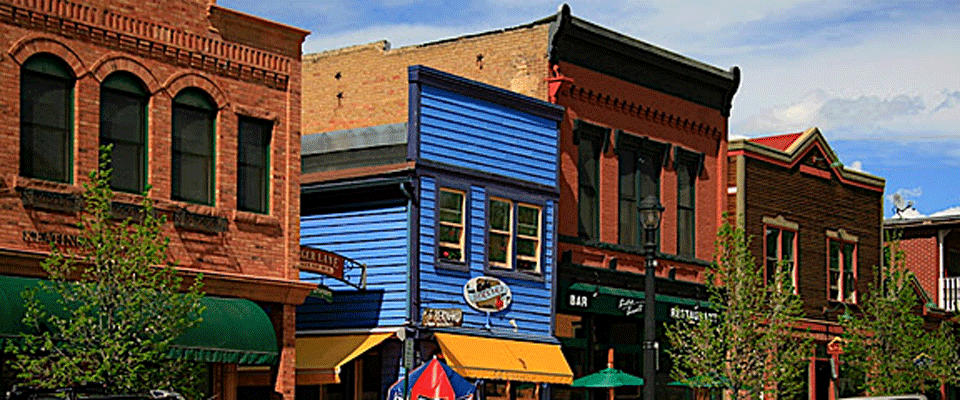
If you are building a creative business, location matters more than most people think. You need more than a pretty mountain backdrop. You need customer movement, flexible space, a sense of place, and a town that supports small-scale commerce. In Basalt, those pieces come together in a way that feels practical, not just aspirational. If you are weighing where to launch, lease, buy, or grow, this guide will show you why Basalt stands out. Let’s dive in.
Basalt offers more than one business district
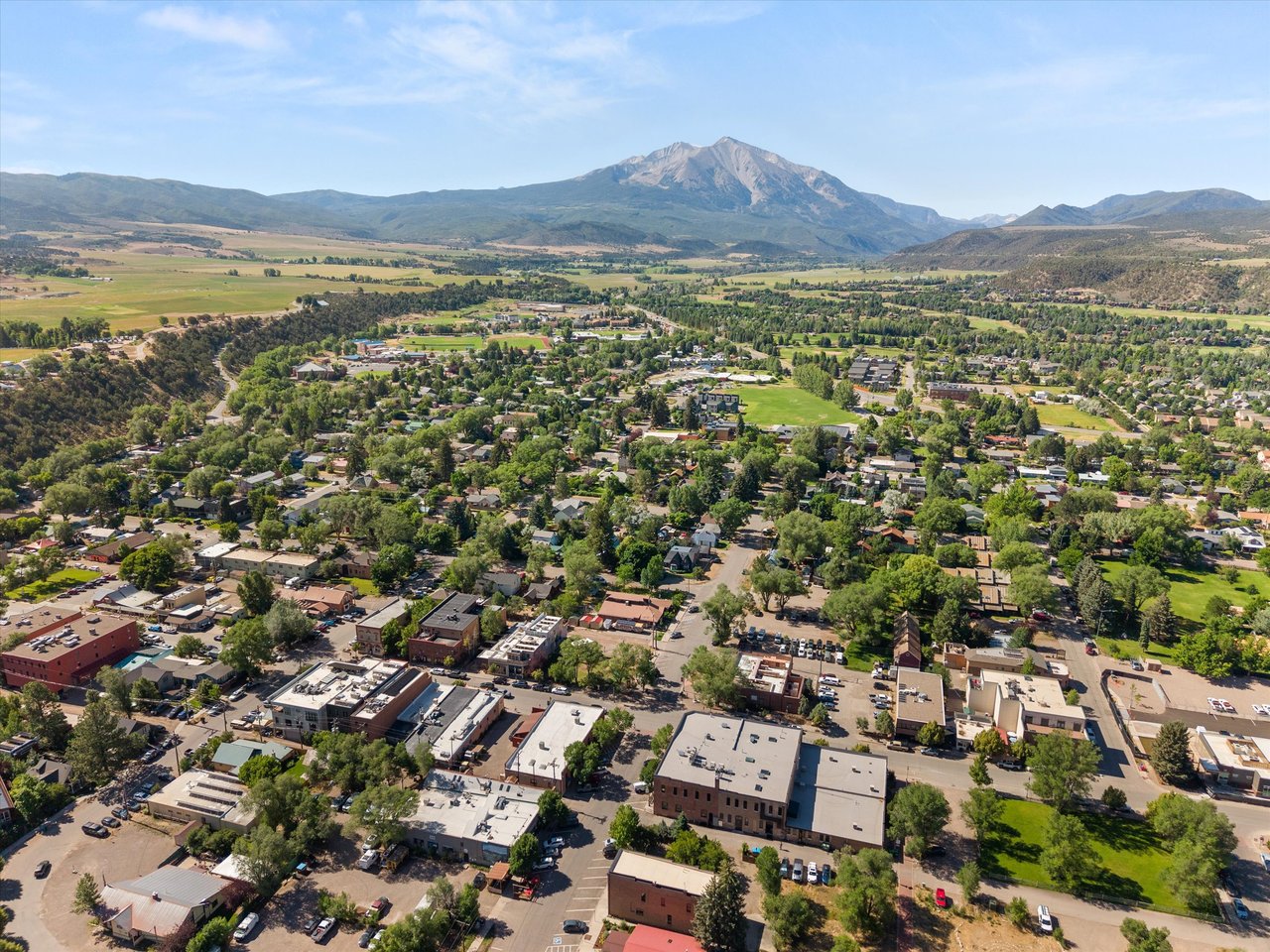
One reason Basalt works for creative entrepreneurs and small brands is that it is not limited to a single commercial strip. Town materials identify Historic Downtown and Southside in East Basalt, along with Willits in West Basalt, as major civic and commercial areas. Planning materials also describe four distinct areas: Historic Downtown, Aspen Junction, Willits, and Southside.
That matters if your business depends on finding the right kind of visibility. A gallery, design studio, specialty shop, wellness concept, or hospitality-driven business may need a different setting than a traditional office user. In Basalt, you can think in terms of multiple nodes and customer patterns rather than a one-corner market.
Willits Lane helps connect Historic Downtown to Willits Town Center, and town project materials describe Willits Town Center as a shopping, dining, and entertainment hub. Those same materials identify the Basalt Design Center as a major economic and employment center along the corridor. For a small brand, that creates a compact but layered market with several types of commercial energy.
Daily movement supports niche concepts
Basalt’s incorporated population is just over 3,929 residents, but the town also reports a daily transit population above 40,000 in both winter and summer. That is a useful reminder that Basalt functions as more than a small standalone town. It serves residents, workers, visitors, and people moving through the broader valley.
For creative entrepreneurs, that kind of movement can support niche concepts that might struggle in a purely local market. You may be serving repeat local customers, destination shoppers, event attendees, and pass-through traffic at different times of day or year. That mix can be especially helpful for businesses that rely on brand identity, experience, and community presence.
Walkability adds real business value
Basalt has invested in pedestrian-friendly infrastructure in ways that directly support commercial activity. The Midland Avenue Streetscape project is designed to boost vitality on Midland Avenue, improve economic development, enhance pedestrian access, and better connect Basalt River Park to historic downtown.
The project also aims to preserve the same number of parking spaces while adding wider sidewalks, better ADA access, more seating, public art, and bicycle parking. For a small brand, these details are not minor. They shape how long people stay, how easily they move between businesses, and whether a storefront feels like part of a larger experience.
If your business depends on discovery and repeat foot traffic, a walkable setting can do real work for you. It can make a quick visit turn into a longer downtown stop. It can also help customers connect your brand with the kind of place they want to return to.
Basalt makes it easier to move around town
Mobility is another part of Basalt’s appeal. Basalt Connect offers free, on-demand rides to and from downtown Basalt, Willits, and nearby neighborhoods every day from 7 a.m. to 10 a.m. and again from 3 p.m. to 10 p.m. During June, July, and August, service runs continuously from 7 a.m. to 10 p.m.
The town also points visitors toward RFTA, WE-cycle, and direct downtown transit stops for major events. Event pages actively encourage arriving without a car. That is meaningful for both customers and staff, especially in a market where ease of access can shape whether people choose to linger.
For business owners, good mobility broadens your effective trade area. It can make one location work harder because customers have more ways to reach it. It also supports the kind of connected town experience that many small brands want to be part of.
Outdoor spaces strengthen the customer experience
In Basalt, recreation is woven into the commercial setting rather than pushed to the edges. The town’s parks include downtown-adjacent spaces like Lions Park and Triangle Park, along with Willits Linear Park, river-access areas, and other river-edge amenities.
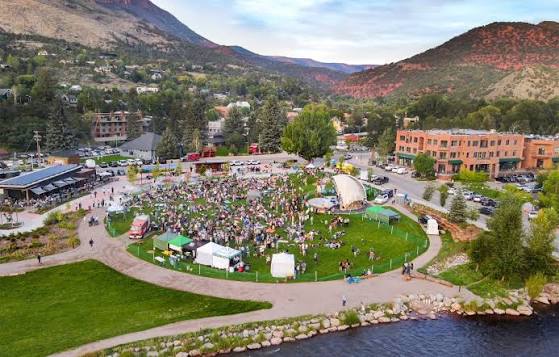
That blend of commerce and outdoor access helps create the kind of environment where people stay longer and return often. A customer may come for a market, concert, or walk, then stop for coffee, shopping, or services nearby. For creative brands, that kind of overlap can be a real advantage.
This is one of Basalt’s strongest qualities. The town offers a small-scale setting, but it still creates moments of activity, browsing, and community gathering that support local business visibility.
Arts and events create recurring traffic
Creative entrepreneurs often do best in places where culture is visible in everyday life. Basalt has invested in that idea. The Basalt Public Arts Commission was established in 2015, completed an Arts Master Plan in 2024, and offers grants of up to $10,000 for local artists, organizations, and nonprofits working on public art and cultural opportunities.
Its public art program places sculptures and temporary installations in downtown Basalt and Willits. That helps reinforce the idea that the commercial core is also part of the town’s cultural identity. For a small brand, that can be a strong fit if your business depends on design, storytelling, craftsmanship, or experience.
Basalt also benefits from a recurring events calendar. The 2026 Basalt Sunday Market runs on Midland Spur, next to Lions Park and Town Hall, from June 14 through September 27.
Basalt River Jams, the Summer Concert Series, and TACAW also contribute to repeat visitation. TACAW describes itself as a 10,000-square-foot, net-zero venue for performances, lectures, meetings, workshops, and private events. Together, these events and venues help create regular audience flow in both downtown Basalt and Willits.
Mixed-use patterns fit modern small brands
Many creative businesses do not need a traditional, stand-alone commercial setup. They may work best in a mixed-use building, a small storefront with office or studio functions, or a home-based model that grows over time. Basalt’s land-use patterns and current planning conversations make that especially relevant.
Town rules require businesses physically located in Basalt to obtain a business license and or sales tax license. Home-based businesses must register, and retail or special-event participants, including Sunday Market vendors, fall under the sales-tax licensing framework.
Basalt allows home occupations as accessory uses, but there are clear limits. The business must remain within the dwelling, stay secondary to the residential use, follow the town’s area limits, avoid exterior signs or visible business activity, and register annually with the Town Clerk.
For some entrepreneurs, that creates a useful starting point. You may be able to begin with a low-overhead model while building your brand, then transition into studio, office, or storefront space later. The key is understanding the rules early so your business model matches what the town allows.
Downtown and mixed-use formats remain active
Basalt’s zoning and parking rules recognize downtown commercial frontage on Midland Avenue, downtown parking districts, and parking reductions for buildings with combined uses. Site-plan review applies in C-2 downtown areas, which is relevant if you are evaluating a property with redevelopment or repositioning potential.
The town’s Planned Unit Development framework is intended to encourage flexible development, land-use compatibility, landscaping, and safe pedestrian, vehicular, and mass-transit access. A recent Willits Lane application proposed a mixed-use building with commercial office space on the first floor and residential units above.
That does not guarantee any one future project, but it does show that mixed-use remains part of the local conversation. The town is also updating its Land Use Code in 2025 and 2026, including amendments tied to mixed-density residential provisions and new accessory dwelling unit rules. If you are thinking long term, those policy shifts are worth watching because they shape how live-work-adjacent opportunities may evolve.
Basalt rewards the right business fit
Basalt is not a market where every concept works equally well. Its strongest opportunities tend to align with a pedestrian-oriented town center, event-driven traffic, design-conscious branding, and a business model that values community presence.
That is why location strategy matters. A business that depends on destination visits may perform differently in Historic Downtown than in Willits. A service concept may value convenience and parking, while a retail or hospitality concept may care more about foot traffic, event adjacency, and walkable surroundings.
This is where commercial real estate becomes more than just finding available space. It becomes a question of fit: your customer, your price point, your operating model, and the way your brand shows up in a town like Basalt.
What this means for buyers, tenants, and investors
If you are a tenant or owner-operator, Basalt offers a rare blend of lifestyle appeal and practical commercial fundamentals. You can look for space in a town that has multiple commercial nodes, steady movement, arts programming, and public investment in downtown vitality.
If you are an investor or landlord, Basalt’s appeal lies in its layered demand drivers. Mixed-use formats, pedestrian improvements, event traffic, and flexible small-business use cases all support the idea that well-positioned space can attract a thoughtful mix of tenants.
If you are also considering a residential move, Basalt can offer something many entrepreneurs want: proximity between daily life and business life. Even when a property is not truly live-work, the town’s scale and connectivity can make it easier to operate close to where you live.
At C&E Group, we see Basalt as one of the Roaring Fork Valley’s most compelling small-market business environments for creative operators and independent brands. If you are exploring storefronts, studio space, mixed-use assets, or lifestyle-aligned property opportunities in Basalt, C&E Group can help you evaluate the fit with both local context and commercial discipline.
FAQs
Why does Basalt appeal to creative entrepreneurs?
- Basalt combines multiple commercial nodes, daily movement from residents and transit users, walkable downtown improvements, arts programming, and recurring events that can support small brands and niche concepts.
What are the main commercial areas in Basalt?
- Town materials identify Historic Downtown and Southside in East Basalt and Willits in West Basalt as major civic and commercial areas, with planning materials also referencing Aspen Junction as part of the town’s broader structure.
Can you run a home-based business in Basalt?
- Yes, Basalt allows home occupations as accessory uses if they stay within the dwelling, remain secondary to the residential use, meet town limits, avoid exterior signs or visible business activity, and are registered annually with the Town Clerk.
What should small brands know about Basalt business licensing?
- Businesses physically located in Basalt must obtain a business license and or sales tax license, and home-based businesses, retail participants, special-event sellers, and Sunday Market vendors are part of that licensing framework.
How do events in Basalt help local businesses?
- Events such as the Basalt Sunday Market, Basalt River Jams, the Summer Concert Series, and programming at TACAW create recurring visitation and can increase exposure for nearby businesses in downtown Basalt and Willits.
Is Basalt a good place for mixed-use commercial property?
- Basalt’s zoning, parking rules, and current planning activity show ongoing support for downtown commercial frontage, combined-use buildings, and flexible development patterns, which can make mixed-use property especially relevant in this market.