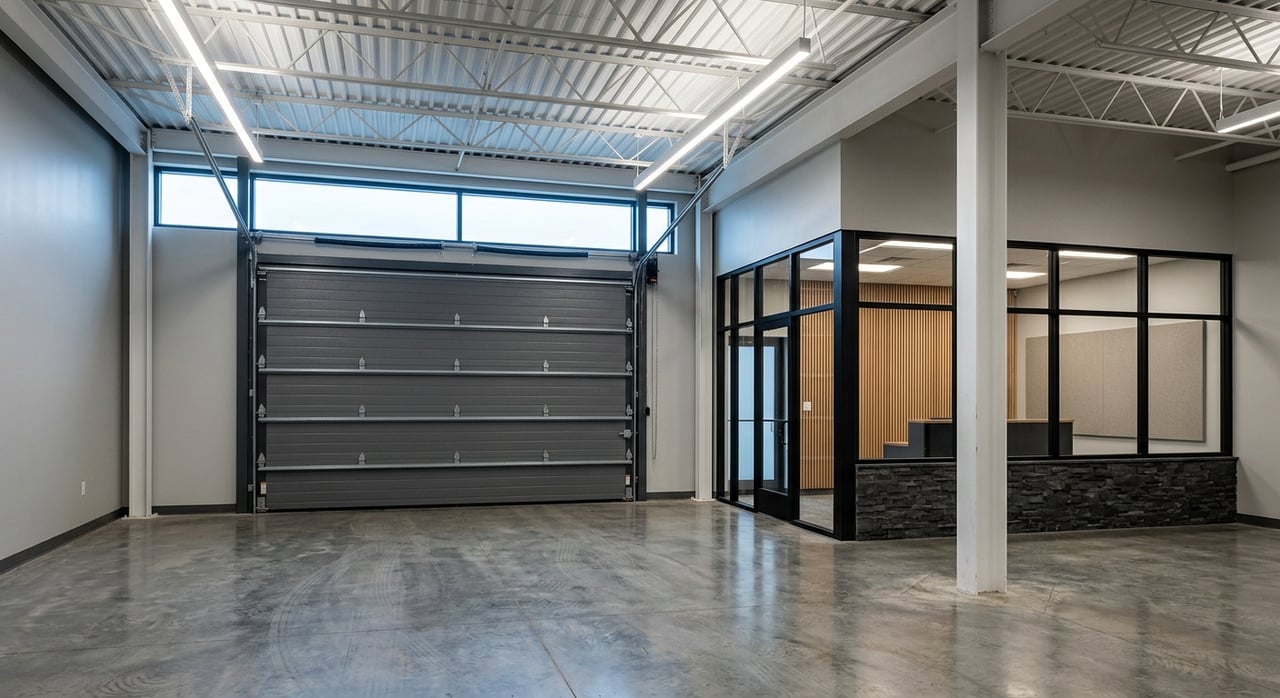
If you are looking at light industrial or flex space in Rifle, the biggest question is not just what is available. It is whether the space actually fits how your business operates day to day. Between zoning, truck access, utilities, and site constraints, a building that looks good on paper can create real problems later. This guide will help you understand what businesses should look for in Rifle and where to focus your due diligence before you lease or buy. Let’s dive in.
Why Rifle draws industrial users
Rifle is a home-rule municipality in Garfield County with an estimated population of 10,663 as of July 2024. Even though it is a smaller market, it plays an important regional role for western Colorado businesses that need access, service reach, and operating efficiency.
The city connects to the I-70 corridor and to north-south access along CO-13. That matters if your business relies on deliveries, field crews, service vehicles, or regional distribution. In practical terms, Rifle can work well as a base for businesses that need to move people, tools, materials, or inventory across a broad service area.
Garfield County economic materials also describe Rifle as a regional economic center. That supports the city’s appeal for companies that want to serve surrounding communities from one location while staying connected to major transportation routes.
What light industrial means in Rifle
Before you tour properties, it helps to understand how Rifle defines light industrial use. The city says its Light Industrial district is meant for commercial and light industrial uses that serve the city’s needs and are less intense than typical industrial uses.
The city also says these uses should be visually unobtrusive, clean, and quiet. Manufacturing, assembly, and fabrication are expected to happen inside a building or enclosed area. That gives you a useful baseline if your operation includes production, storage, service work, or equipment handling.
Rifle’s 2019 Comprehensive Plan identifies several areas for light industrial and industrial activity, including west Rifle, the Airport Road and Airpark corridor, and Queen’s Crown. The plan says light industrial is appropriate for uses such as indoor fabrication, contractor shops, design centers, research and development offices and institutions, and oil and gas support services.
What flex space can offer
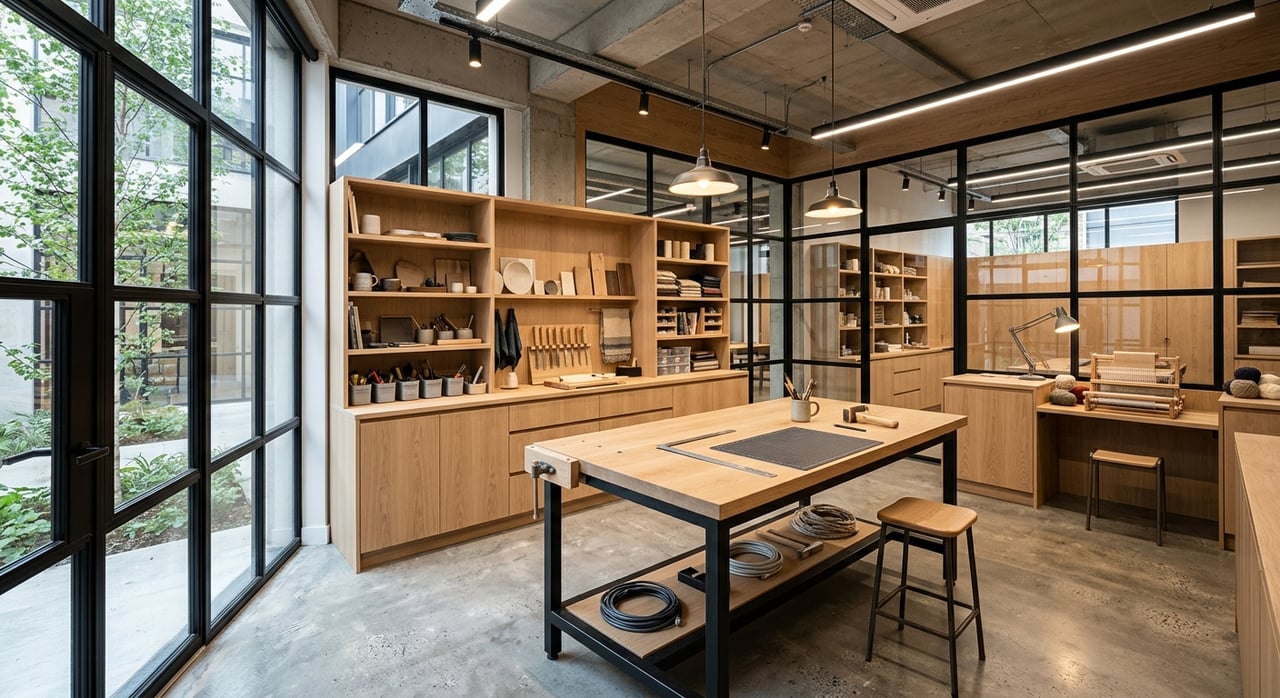
Flex space can be especially appealing if your business needs a mix of office and operational area. NAIOP defines a flex facility as an industrial building designed for multiple uses, often convertible between office and warehouse space.
For many users, that means you can combine front-office functions with back-of-house storage, light assembly, dispatch, or service operations in one place. That setup can work well for contractor teams, field-service operators, and small businesses that need both customer-facing and operational space.
In Rifle, flex space can make sense when your business fits within light industrial expectations and does not require a heavy-industrial environment. The key is making sure the building layout supports your workflow, staffing, and vehicle movement.
Businesses that may fit best in Rifle
Based on Rifle’s land-use framework, the strongest fit is often for businesses that need highway access but do not need a high-impact industrial setting. This includes:
- Trades and contractor shops
- Field-service operators
- Small manufacturers
- Service centers
- Regional distributors
- Oil and gas support businesses
- Aviation-adjacent or airport-area service users
Rifle’s broader employment base includes construction and professional or waste-management services among its major sectors. That lines up with the city’s role as a service hub for industrial and field-based businesses.
At the same time, light industrial is not a catch-all category. Rifle’s plan says many nonindustrial uses are generally not appropriate in Light Industrial areas, including restaurants, hotels, common household goods, personal service, and medical offices, except in limited PUD settings. Gas stations and truck stops are permitted in Light Industrial.
Access and logistics matter in Rifle
For many businesses, location in Rifle is really about transportation function. The city is tied closely to I-70 access, and local construction guidance has directed commercial traffic to I-70 Exit 87 and the Highway 13 bypass. That shows how important interchange layout and bypass routes can be when you are evaluating a site.
If your operation depends on truck movement, fleet access, or frequent deliveries, look beyond the map. A property may have a Rifle address, but the real question is how easily your drivers can reach the site, enter the property, and turn around efficiently.
CDOT also notes that the mountain corridor can bring weather, rockfall, fire, flood, brake, and traction-related challenges. Seasonal delays and chain or traction requirements can affect delivery schedules and service reliability, so logistics users should build that reality into planning.
Airport access may add value
Rifle also has access to the Rifle Garfield County Airport. Garfield County has reported ongoing airport leadership and hangar-development activity, which may be relevant if your business supports aviation, field services, or time-sensitive travel across the region.
Not every company needs airport adjacency, but for the right user, the Airport Road and Airpark area can offer strategic advantages. If your team flies in personnel, equipment, or clients, this factor may deserve a closer look.
How to compare buildings
When you are evaluating flex or light-industrial space, basic building specs can tell you a lot about whether a property will work. NAIOP identifies several core items to compare:
- Clear height
- Loading configuration
- Door-to-square-foot ratio
- Truck-court function
- Office buildout
These details affect daily operations more than many first-time buyers or tenants expect. A building with the wrong loading setup or too little yard functionality can slow down your team, create vehicle conflicts, or force expensive retrofits.
Clear height and usable volume
Clear height affects how much vertical space you can actually use. If your business stores materials, equipment, or inventory, this can influence racking, shelving, and workflow.
Even if you do not need a full warehouse setup, better usable volume can improve flexibility over time. That matters if your business is growing or if your operational needs may shift.
Loading and vehicle flow
Loading configuration and truck-court function are critical if you receive shipments, move tools daily, or operate service vehicles. You will want to understand how trucks enter the site, where they stage, and whether the layout supports safe movement.
In a smaller market, owners sometimes focus on square footage first. For many industrial users, circulation and loading can be just as important as the size of the suite.
Office buildout and staff use
Flex space often works best when the office portion supports your actual team structure. Think about dispatch, admin space, private offices, break areas, and customer-facing functions if applicable.
A space with too much office area can create unnecessary cost. Too little office buildout can make the operation feel improvised and inefficient.
Check jurisdiction before you commit
One of the first questions to answer is whether the parcel is inside Rifle city limits or under Garfield County jurisdiction. That distinction matters because Rifle’s Planning & Development Department handles city land-use applications, while Garfield County maintains separate records for county-side sites.
This is an easy issue to overlook, especially if you are comparing multiple sites around the city. Different jurisdiction can mean different review paths, timelines, and documentation needs.
Review zoning and approvals early
Rifle’s land-use checklist points buyers and developers toward issues such as annexation and zoning, conditional use permits, floodplain development, lot-line adjustments, subdivision, and site-plan review. You do not want to discover one of these hurdles after negotiating business terms.
This is where disciplined front-end review can save you time and money. If your use is not clearly aligned with the property’s zoning or review path, the deal can become slower, more expensive, or less certain.
Site constraints can change the deal
A south Rifle industrial sketch-plan review flagged several practical issues that often determine whether a site works in real life. These included floodplain exposure, debris-flow risk, utility easements, all-weather fire access, fire-hydrant spacing, drainage compliance, and as-built documentation.
Those may sound technical, but they have direct business impact. A site constraint can affect insurance, development cost, access reliability, safety planning, or the timeline to occupy the property.
Utilities and operating costs deserve a close look
Utilities are not just a background detail. They shape both feasibility and monthly operating cost.
Rifle operates a 6 million-gallon-per-day drinking water plant and a 2 million-gallon-per-day wastewater plant, and the city maintains 73 miles of water main and 53 miles of sewer. That provides useful context for businesses evaluating service capacity and municipal infrastructure.
You should also confirm any use-specific utility requirements. The city requires grease traps or oil/sand separators at many food-service, car-wash, auto-mechanic, and auto-body sites. If your use falls into one of those categories, build that cost and review process into your planning.
Another item to note is waste service. Rifle no longer provides commercial trash service, so tenants should plan for private waste pickup when estimating operating expenses.
Labor shed and hiring considerations
Workforce planning matters in a market like Rifle. Census data cited in the research found that 45.8 percent of workers commute 30 minutes or more to work.
That suggests many employers may need to recruit from a broader labor shed across Garfield County and the Western Slope, not just from the immediate city. If your operation depends on technicians, drivers, mechanics, installers, or office support, labor geography should be part of your site decision.
A practical checklist before leasing or buying
Before you move forward on a Rifle light-industrial or flex property, review these items carefully:
- Confirm city or county jurisdiction
- Verify zoning and whether your use is permitted
- Check whether annexation, conditional use, or site-plan review may apply
- Evaluate truck access from I-70, Exit 87, Exit 90, Exit 94, and CO-13 routes as relevant
- Review clear height, loading, truck circulation, and office mix
- Investigate floodplain, drainage, easements, and fire-access constraints
- Confirm utility service and any separator or grease-trap requirements
- Budget for private trash service
- Consider workforce commute patterns and hiring reach
Why local commercial guidance helps
In a market like Rifle, good site selection is about more than finding a vacant building. You need to connect zoning, building specs, transportation access, and operating realities into one clear decision.
That is where local commercial guidance can add real value. When you understand how a property performs for your business, not just how it looks in a listing, you can negotiate and plan with more confidence.
Whether you are a tenant, owner-user, or investor, the best outcome usually starts with a grounded view of market fit, entitlement risk, and day-to-day functionality. If you are exploring commercial opportunities in Rifle or across western Colorado, C&E Group can help you evaluate options with a practical, business-minded approach.
FAQs
What kinds of businesses fit light industrial space in Rifle?
- Rifle’s light industrial framework is generally a strong fit for trades, contractor shops, field-service operators, small manufacturers, service centers, regional distributors, and some oil and gas support uses that do not require a heavy-industrial setting.
What should you check before leasing flex space in Rifle?
- You should review zoning, permitted use, city versus county jurisdiction, truck access, loading layout, office buildout, utilities, drainage, floodplain issues, and operating costs such as private trash service.
Why is I-70 access important for Rifle industrial property?
- Rifle’s business location value is closely tied to I-70 and CO-13 access, especially for companies that rely on deliveries, fleet movement, regional service routes, or distribution across western Colorado.
What is flex space in a commercial building context?
- Flex space is an industrial building type designed for multiple uses, often combining office area with warehouse, storage, service, or light operational space in one property.
Do all Rifle industrial sites follow the same approval process?
- No. The approval path can differ depending on whether the parcel is inside Rifle city limits or under Garfield County jurisdiction, so you should confirm that early in the process.