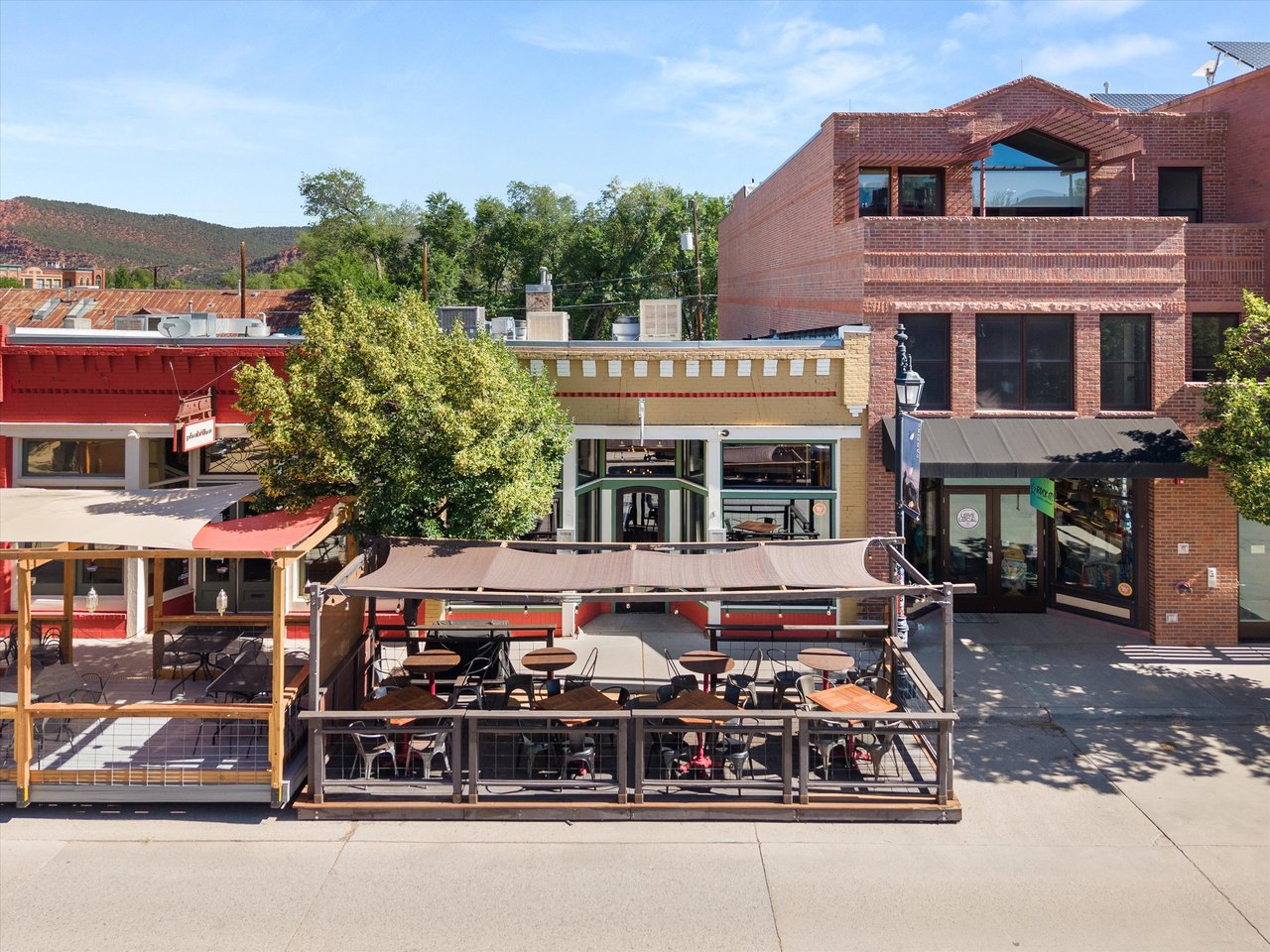
If you are wondering what daily life in Carbondale really feels like, the answer is not just "mountain town." It is a place where coffee shops, downtown storefronts, trail access, creative work, and a compact street grid all shape how you move through the day. If you are thinking about living, investing, opening a business, or relocating within the Roaring Fork Valley, understanding that rhythm can help you make a smarter real estate decision. Let’s dive in.
Why Carbondale Feels Distinct
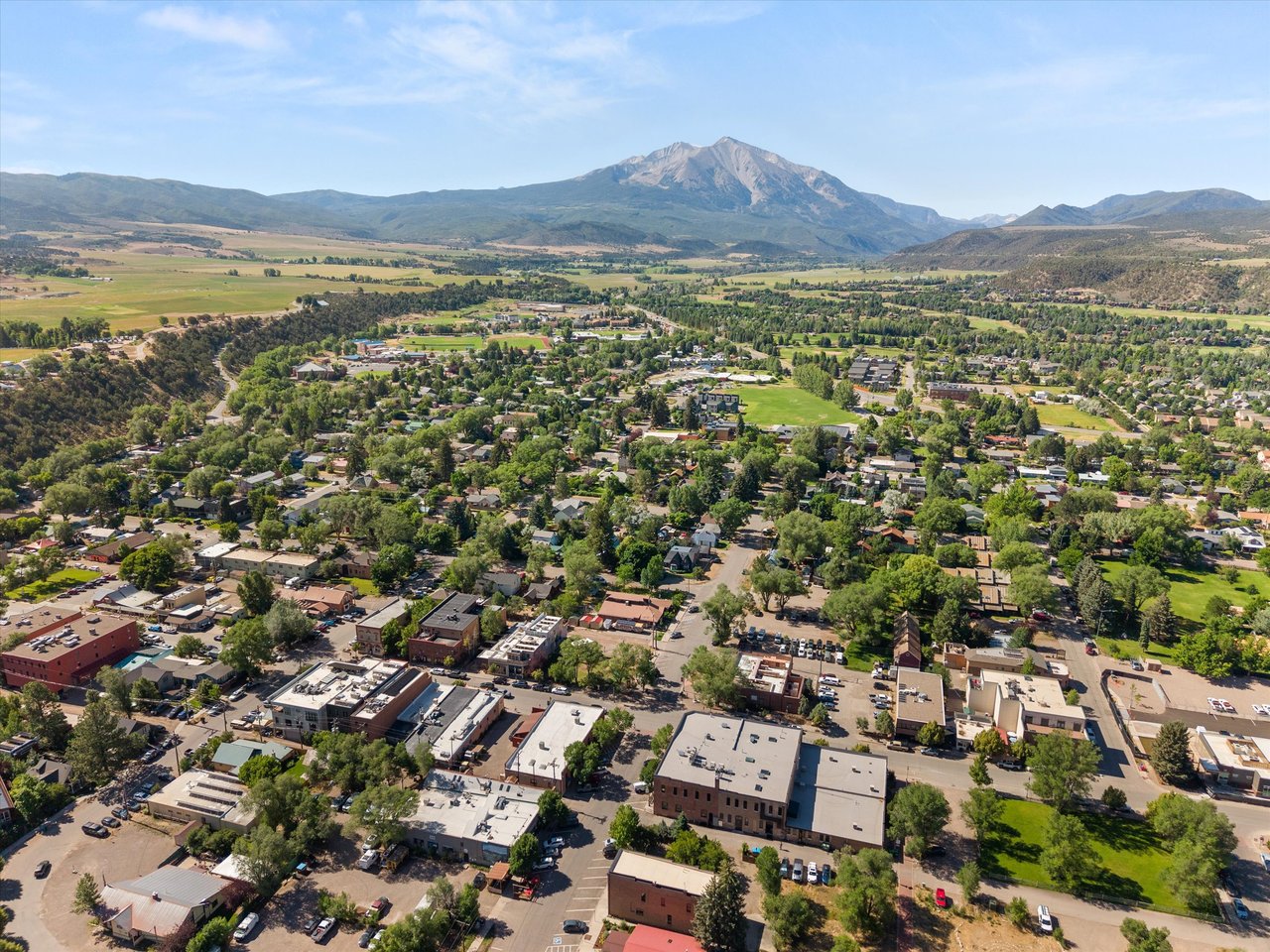
Carbondale is a home-rule municipality in Garfield County, set at the base of Mount Sopris near the confluence of the Crystal and Roaring Fork rivers. The town covers about two square miles, which helps explain why so much of daily life feels connected and visible.
That compact footprint gives Carbondale a strong sense of place. Instead of feeling spread out, many parts of town tie back to a shared downtown core, nearby trail connections, and a handful of commercial nodes that residents use every day.
The town is also growing. Census QuickFacts cited in the Garfield County community profile show a 2024 population estimate of 6,758, up from 6,434 in 2020. The same profile shows a 63.7% owner-occupied housing rate, a median owner-occupied home value of $900,600, and median gross rent of $2,167.
Those numbers matter because they point to a market that is both desirable and tight. In Carbondale, your experience often comes down to where you are in town, how you want to move through the day, and what kind of property actually supports your lifestyle or business goals.
Downtown Sets the Pace
Main Street, nearby 3rd Street, and the historic downtown core act as Carbondale’s daily center of gravity. Town planning materials describe downtown as the historic center for commerce, civic life, and community events, and also note its role in connecting the east and west sides of town across Highway 133.
That planning vision shows up in real life. Bonfire Coffee on Main Street is widely described as a community gathering place, while True Nature Healing Arts Café and Plosky’s Delicatessen add to the steady flow of coffee, meals, casual meetings, and everyday errands.
For residents, this means downtown is not just where you go for special occasions. It is where people start the morning, run into neighbors, meet clients, grab lunch, and move between work and home.
For business owners and investors, that same pattern matters in a different way. A compact downtown with regular foot traffic and visible street-level activity creates a different leasing and ownership story than a highway-only commercial strip.
Living and Working Often Overlap
Carbondale’s daily rhythm is shaped by both in-town activity and regional commuting. According to the Garfield County profile, 48.4% of workers commute 30 minutes or more, which means many residents balance local life with jobs and appointments across the valley.
At the same time, town planning discussions identify housing costs, childcare, parking, transit, and staffing shortages as recurring business challenges. These are not abstract issues. They affect how employers hire, how tenants choose locations, and how owner-operators think about convenience and visibility.
That is one reason live/work development continues to come up in planning conversations. Town materials point to live/work space as a way to add maker space and housing, which fits Carbondale’s mix of storefronts, offices, and small-scale workshop uses.
If you are looking at commercial or mixed-use property, this overlap is important. In Carbondale, a property may need to support not just a use on paper, but a real day-to-day pattern that includes customer access, staffing realities, and a walkable connection to the rest of town.
Car-Light Living Is More Realistic Here
Many small mountain towns still require you to drive almost everywhere. Carbondale offers more flexibility than that.
The Carbondale Circulator runs free every 15 minutes between the Park & Ride and in-town stops during daytime operating hours. The Town of Carbondale also says the Carbondale Downtowner provides complimentary rides within town limits, and RFTA lists the Carbondale Park & Ride as a transfer point for local and regional service.
That does not mean every household will go fully car-free. It does mean car-light living is more realistic here than many buyers expect, especially if you are close to downtown, the Park & Ride, or the trail corridor.
For homebuyers, this can change what “convenient location” really means. For landlords, tenants, and business owners, it can influence customer access, employee commuting, and how a site functions throughout the week.
Arts and Makers Shape Daily Life
In Carbondale, creativity is not a side note. It is part of the town’s identity.
Carbondale Arts says the town holds a special niche in the Roaring Fork Valley by blending creative industries, cultural heritage, ranching, local food production, and outdoor recreation. The certified creative district, managed by Carbondale Arts, includes more than 200 creative organizations, artists, and artisans, with gallery, fair, and shop programming featuring more than 275 makers annually.
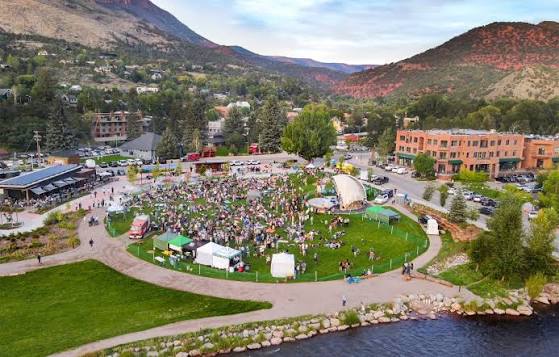
That creative presence shows up in recurring public events like Mountain Fair, First Friday, the Valley Visual Art Show, Dandelion Day, and Potato Days, which dates back to 1909. These are not one-off attractions. They help shape the visible public life of the town across the year.
There is also physical infrastructure behind that identity. The Launchpad offers performing arts studios, a gallery, a boutique, and gathering space in downtown Carbondale. Carbondale Arts points to the Rio Grande ARTway behind downtown as an outdoor gallery, while the Carbondale Clay Center and S.A.W. support ceramics, studio work, residencies, and workshops.
For a buyer or investor, this matters because it affects how a place feels on an ordinary Tuesday, not just during a festival weekend. It also helps explain why certain downtown and mixed-use locations carry lasting appeal.
Outdoor Access Is Built Into Town Life
Carbondale’s setting shapes how people use the town every day. Planning and county materials highlight the base-of-Mount-Sopris location, river corridors, parks, trails, and public-land access throughout town and along the edges.
The trail network is especially important. The Rio Grande Trail corridor runs from Glenwood Springs to Aspen, and the Carbondale section connects with both downtown and the Park & Ride. This gives residents a practical and recreational link that is more integrated into daily life than many out-of-town buyers first assume.
Nearby access adds to that rhythm. Garfield County notes that the Red Hill Special Recreation Area near Carbondale reopened after trail and parking improvements, and county materials also note that the West Elk Loop Scenic Byway passes through the Crystal River Valley and Carbondale.
In real estate terms, outdoor access here is not just an amenity on a brochure. It is part of how people choose where to live, where to open businesses, and which properties feel connected to the lifestyle they want.
Property Types Reflect a Mixed Town
Carbondale is not a one-note housing market. Its zoning supports a range of property types, which helps explain why the town feels layered instead of uniform.
Old Town Residential is intended to preserve the historic character of the original townsite while keeping single-family homes predominant. Medium-density areas mix detached homes with duplexes, townhomes, and patio homes, while high-density areas allow the broadest range of residential forms and are intended closer to commercial centers and downtown.
The Mixed-Use district is designed for living, working, recreating, and shopping in a pedestrian-friendly environment tied to downtown and the trail corridor. In plain terms, the housing story includes historic small-lot homes, infill opportunities, duplex and townhome pockets, mixed-use buildings, and denser residential areas near town centers.
Accessory dwelling units are also part of the local framework. The town’s code allows ADUs in several districts, including Old Town, low-, medium-, and high-density residential areas, plus mixed-use areas, although Old Town includes additional historic-preservation considerations.
That mix matters if you are comparing options. In Carbondale, the right fit often comes down to how you want to spend your days, not simply how much square footage you can find.
Commercial Real Estate Works Best by Node
For commercial readers, Carbondale is best understood as a set of connected nodes rather than one single district. The key lifestyle and business areas include the historic downtown and Main Street core, the Highway 133 corridor, and Downtown North.
Town planning documents emphasize preserving a connected sense of place instead of creating fragmented hubs. The Highway 133 character study describes a mix of employment and light industrial uses, mixed commercial areas, and new-urban areas, with live/work encouraged in parts of the corridor.
That has practical implications for leasing, buying, and repositioning property. A downtown storefront, a mixed-use building near the trail corridor, and a corridor-facing commercial space may all serve very different users, even within a compact town.
This is where local interpretation really matters. If you are a landlord, tenant, investor, or owner-operator, understanding how a site fits into Carbondale’s daily pattern can be just as important as rent, price per square foot, or frontage.
Affordability Keeps Location Front and Center
Carbondale’s appeal is matched by real housing pressure. The Town’s Community Housing Plan sets a goal of doubling deed-restricted, rental-capped, and town-owned units from 144 to 288 by 2032.
That goal, together with current home values and rents, shows why buyers and renters need to be clear-eyed and strategic. In this market, location, walkability, property type, and flexibility often matter as much as size.
It also means decisions tend to carry more weight. If you are buying a home, choosing a mixed-use property, or evaluating an investment, the best opportunities are usually the ones that match the way Carbondale actually functions day to day.
If you want help thinking through those tradeoffs, from Main Street visibility to mixed-use potential to residential lifestyle fit, C&E Group brings local market perspective, commercial rigor, and high-touch guidance across the Roaring Fork Valley.
FAQs
What is daily life like in Carbondale, Colorado?
- Daily life in Carbondale centers on a compact downtown, coffee shops, local businesses, creative spaces, trail access, and a mix of in-town living with regional commuting.
Can you live car-light in Carbondale?
- Yes. The free Carbondale Circulator, the complimentary Downtowner, the Park & Ride, and the Rio Grande Trail make car-light living more realistic than in many mountain towns.
What makes Carbondale’s arts scene stand out?
- Carbondale has an established creative ecosystem supported by Carbondale Arts, The Launchpad, the Clay Center, S.A.W., and recurring events like Mountain Fair, First Friday, and Potato Days.
What types of homes are common in Carbondale?
- Common property types include historic small-lot homes, duplexes, townhomes, patio homes, mixed-use buildings, denser housing near commercial areas, and ADU-supported infill in several districts.
What should business owners know about commercial property in Carbondale?
- Business owners should understand how each location fits into the town’s connected nodes, especially downtown, Downtown North, and the Highway 133 corridor, because visibility, access, and use patterns vary by area.
Is Carbondale in Pitkin County?
- No. Carbondale is in Garfield County, although it is closely connected to the broader Roaring Fork Valley market.