If you are looking for commercial space in Silt for a service business, contractor operation, or trades-related use, the biggest mistake is assuming every visible parcel works the same. In a small town shaped by I-70 access, downtown design goals, and town-led planning, location fit is highly corridor-specific. Understanding how Silt’s commercial corridors function can help you focus on sites that match your business needs, your customer base, and your long-term operating costs. Let’s dive in.
Why corridors matter in Silt
Silt is a small town in Garfield County with 3,536 residents counted in the 2020 Census. Its planning framework emphasizes infill, redevelopment, downtown vitality, and designated employment areas rather than outward sprawl, which means commercial opportunities are not spread evenly across town. According to the town’s comprehensive plan, where a parcel sits often matters as much as the parcel itself.
That matters even more because I-70 is the main regional driver. CDOT describes I-70 as Colorado’s primary east-west artery, a freight corridor, and a major recreation and tourism route in its state transportation priorities overview. For service and trades users, that makes visibility, truck access, circulation, and easy entry points central to the value of a site.
Silt's three main demand bands
Based on the town’s land-use descriptions and the regional role of I-70, Silt generally breaks into three practical demand bands for commercial users. Each one serves a different kind of customer and a different type of operation.
- Downtown/Main Street for pedestrian traffic, local visibility, and customer-facing presentation
- Service and commercial support areas for contractor, fleet, supply, and heavier operational uses
- River Frontage Road and I-70 access areas for highway traffic, recreation users, travelers, and destination-oriented businesses
If you are evaluating space in Silt, this is often the first filter to apply before diving into pricing, zoning, or building layout.
Downtown Main Street fit
Silt’s downtown runs along Main Street, which is State Highway 6, from 1st Street to 16th Street, with related downtown areas extending between Front Street and Grand Avenue in certain blocks. The town’s plan calls for downtown buildings that remain visible to highway traffic while still working well for people on foot or bicycle, as outlined in the Silt Comprehensive Plan.
For many service businesses, downtown is best for smaller footprints with a polished public presence. Think office, showroom, specialty retail, live-work concepts, or upper-floor residential above commercial where allowed by the plan. The downtown vision favors storefront-oriented buildings, large windows, patios, and a strong street presence, so this corridor tends to reward presentation more than heavy operations.
If your business depends on walk-in traffic, customer confidence, and a professional face on Main Street, downtown may be the right fit. If your business depends on outdoor storage, regular truck loading, or fleet movement, downtown is usually less practical.
Best uses for downtown space
Downtown often makes the most sense for businesses that need to be seen and visited regularly by customers. In practical terms, that includes uses like:
- Professional offices
- Customer-facing service businesses
- Small showrooms
- Specialty retail concepts
- Live-work or mixed-use formats where permitted
For owner-operators, this corridor can be a strong branding play. It gives you visibility and a more refined storefront environment, but it usually asks you to trade off some operational flexibility.
Mixed-use junction opportunities
Silt’s plan also identifies a Mixed Use/Neighborhood Center category for sites along or near State Highway 6 and the Rifle/Silt Road system, including County Roads 311, 331, and 346. These areas are typically at junctions with higher vehicle counts and may support upper residential above commercial after downtown and service-support areas are largely built out, according to the town plan.
This creates a useful middle ground. If downtown feels too tight and a service yard feels too industrial, a mixed-use location near a traffic junction may offer better visibility and access while still supporting a customer-friendly experience.
Service and commercial support corridor
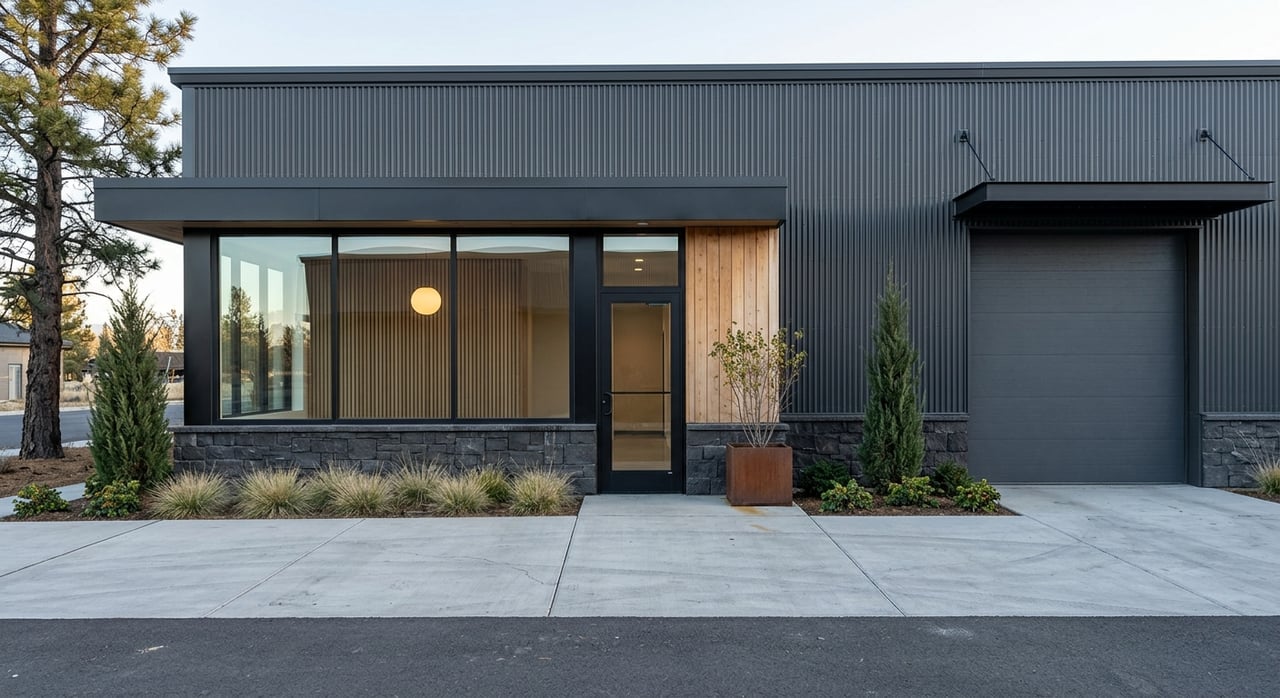
For many trades, contractors, fleet-based users, and operational businesses, Silt’s service and commercial support corridor is likely the most practical target. The plan places this area outside downtown but expects visibility from Main Street and or the I-70 corridor, and it says the area should not extend more than two blocks north of Highway 6.
The town specifically points to uses such as construction supply companies, real estate offices, cabinet makers, auto repair, small-appliance repair, hotels, and convenience stores in this area. That list is a strong clue about how Silt views the corridor: useful, service-oriented, visible, and more operational than downtown.
Why this corridor works for trades
The comprehensive plan says these sites should have access to one or more major arterials and highway access capable of handling heavy truck traffic. It also says industrial uses should reach major highways through the town’s arterial system while minimizing travel through less intense land uses.
That is especially important if your business depends on:
- Work trucks or trailers
- Deliveries and loading activity
- Small warehouse space
- Fleet service access
- Contractor storage or support functions
In other words, this corridor is not just about whether a use is allowed. It is about whether the day-to-day mechanics of your business can function without creating avoidable conflicts.
Compatibility still matters
Truck access alone does not make a site workable. The plan says industrial siting should consider compatibility with nearby land uses and proximity to other industries, while avoiding impacts such as noise, odor, vibration, air pollution, and wasted resources.
That means a good site in Silt needs more than frontage. It also needs the right surroundings, a workable approach route, and enough room for parking, loading, and turning movements.
River Frontage Road and Exit 97
The River Frontage Road and I-70 Exit 97 area serves a different market than downtown. Here, the likely audience includes highway travelers, overnight guests, recreation users, and destination-based service businesses rather than local foot traffic.
Silt’s comprehensive plan treats the Colorado River corridor as a key part of the town’s image. It calls for recreation-commercial uses along the river, including dining, rentals, and shops, and it identifies a Recreational Commercial category that can include hotels, convenience stores, truck and auto fueling, rafting companies, RV parks, and angler-supply shops.
Why this corridor stands out
This area can be appealing if your business benefits from interchange convenience and pass-by traffic. The plan’s gateway discussion identifies the I-70 crossing west of town and Main Street gateways as major entry points, which reinforces the importance of first impressions and easy access.
CDOT also notes that work began at Silt Exit 97 in a project notice for the corridor. For buyers, tenants, and investors, the practical questions near River Frontage Road are straightforward:
- How do customers enter from the interchange?
- Can trucks reach the site without using residential streets?
- Is there room for loading, parking, and turning?
- Does the site align with the corridor’s intended commercial role?
If the answer is yes, this corridor can offer a very different kind of value than Main Street.
Public process may shape opportunities
One of the more important things to understand about Silt is that some opportunities may come through town process and infrastructure planning, not just traditional listings. The town promotes business attraction through a sales-tax incentive program, tax increment financing for qualifying businesses, public infrastructure grants, and possible public property offerings.
That matters because the best-fit site for your use may depend on annexation, utility connections, incentive eligibility, or other town actions. In Silt, those factors can be just as important as asking price.
The corridor is also active in real time. The town’s Planning and Zoning Commission packets include recent items such as Main Street Plaza, River Trace, and Go Rentals. A staff report for Go Rentals describes a River Frontage Road parcel proposed for B-I zoning with rental, high-end self-storage, and retail uses after annexation and utility review.
What to verify before choosing a site
Before you commit to a parcel in Silt, it helps to narrow your diligence to the issues most likely to affect your operation. Based on the town’s planning framework, here are some of the key questions to answer early.
Corridor fit
Start by confirming whether the parcel sits in:
- Downtown/Main Street
- A service and commercial support area
- A mixed-use neighborhood center area
- The river/frontage corridor
That single step can quickly tell you whether the site matches a customer-facing business, a contractor operation, or a highway-oriented use.
Entitlements and town process
Some properties may require annexation, rezoning, or special review before your intended use can move forward. The Go Rentals example shows that annexation and utility connections can be part of the path, especially in the River Frontage Road area.
Operational functionality
A site can look promising on paper and still fail your day-to-day needs. Make sure you verify:
- Truck access and turning movements
- Parking layout
- Loading areas
- Utility availability
- Nearby land-use compatibility
These are often the details that determine whether a site works smoothly after the deal closes.
How corridor knowledge protects your decision
In a market like Silt, the right choice is not always the largest parcel or the one with the lowest price per square foot. Often, the better long-term decision is the site that aligns with the town’s existing framework for downtown, service support, or river and highway commercial activity.
When you match your business model to the right corridor, you improve the odds of smoother operations, better visibility to the right customers, and fewer land-use conflicts over time. That kind of fit matters for owner-users, tenants, and investors alike.
If you are exploring commercial space in Silt, a team that understands corridor fit, municipal process, and operating realities can help you sort through the noise and focus on what is actually workable. To talk through your options, connect with C&E Group.
FAQs
What is the best commercial corridor in Silt for contractors and trades?
- For many contractors and trades businesses, Silt’s service and commercial support corridor is the most practical fit because the town plan connects it to arterial and highway access that can better handle trucks, fleet movement, and operational uses.
What kinds of businesses fit downtown Silt Main Street?
- Downtown Silt is generally better suited for smaller, customer-facing businesses such as offices, showrooms, specialty retail, and other uses that benefit from storefront visibility and walk-in traffic.
What makes River Frontage Road in Silt different from downtown?
- River Frontage Road and the Exit 97 area are more oriented toward highway travelers, recreation users, and destination-based businesses, while downtown is more focused on local visibility and pedestrian-friendly presentation.
Do commercial properties in Silt sometimes depend on annexation or town review?
- Yes. The town’s planning materials and recent review packets show that some opportunities may involve annexation, zoning review, utility connections, or other public processes before a project can move forward.
Are business incentives available for commercial projects in Silt?
- The town states that it promotes business attraction through tools such as sales-tax incentives, tax increment financing for qualifying businesses, public infrastructure grants, and the possible offering of public property.