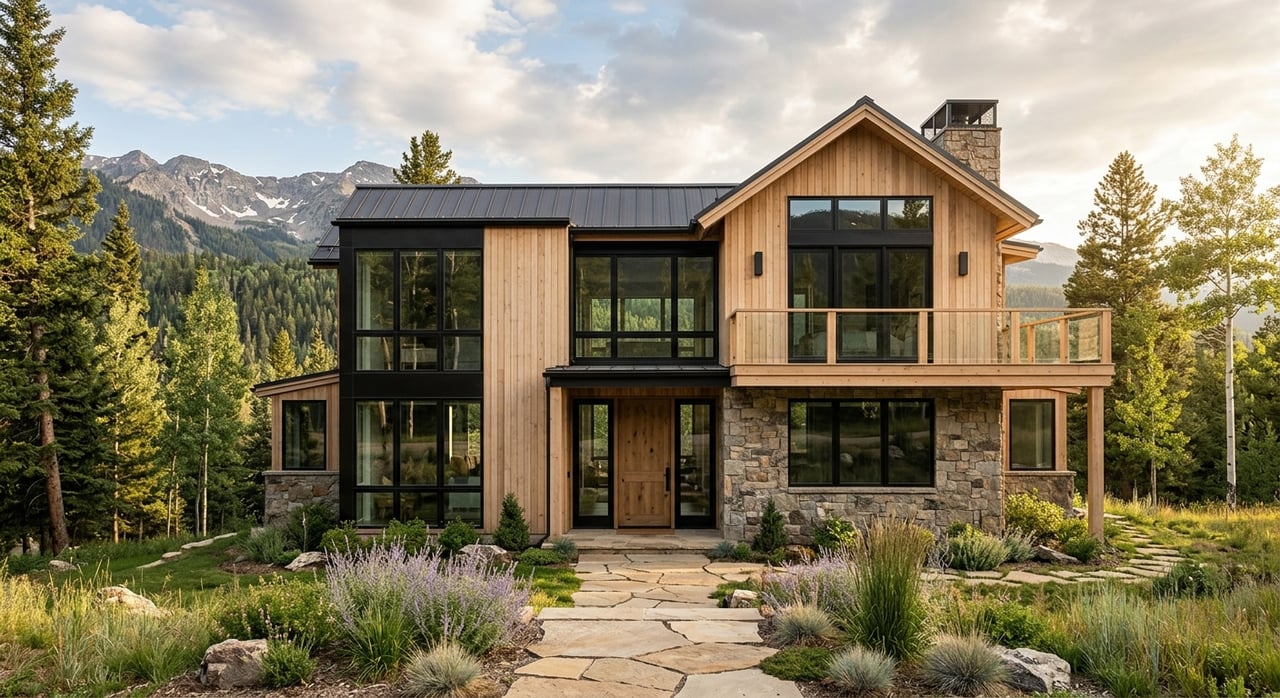
If you are thinking about moving further downvalley, New Castle often comes up for a reason. It offers a smaller-town setting, easy access to outdoor recreation, and a realistic connection to the broader Colorado River corridor. If you want a clearer picture of what daily life here can actually look like, this guide will walk you through the basics so you can decide whether New Castle fits your goals. Let’s dive in.
Why New Castle Stands Out
New Castle is a compact town on the Colorado River in Garfield County, about 173 miles west of Denver. According to the Town of New Castle, it has roughly 4,900 residents across about 2.5 square miles and sits at around 5,550 to 5,600 feet in elevation.
That small footprint shapes how the town feels. You get a community with established neighborhoods, nearby services, and direct access to open land, without the scale of a larger regional hub. For many buyers, that combination is a big part of the appeal.
What “Further Downvalley” Really Means
If you are comparing New Castle to communities farther up the Roaring Fork Valley, the lifestyle shift is practical as much as scenic. New Castle sits in a position that supports regular movement east and west along the corridor, which matters if your work, healthcare, or routines extend beyond town limits.
Census Reporter data show a mean travel time to work of 31.8 minutes, which is higher than Colorado’s 25.5-minute average. In simple terms, commuting is a normal part of life here, and many households choose New Castle with that in mind.
Daily Life in New Castle
One of the biggest draws is the balance between neighborhood living and outdoor access. The town’s community overview highlights fishing, rafting, kayaking, wildlife viewing, skiing, snowboarding, hunting, boating, hiking, camping, and mountain biking as part of the local lifestyle.
That does not mean life here is only about weekend adventure. It also means you are in a town where trails, parks, river access, and nearby public land are part of the everyday backdrop. For many residents, that adds flexibility to a typical workweek.
Parks and River Access
New Castle says it has 12 developed parks. Coal Ridge Park includes a Colorado River boat ramp, while Grand River Park features a river beach, wetlands, and an interpretive trail.
Those amenities help explain why the town feels connected to the landscape. You do not have to plan a major outing to enjoy the outdoors. In many cases, it is built into daily routines.
Trails Near Town
If trail access matters to you, New Castle offers several established options. The town’s trail page notes that the Colorow Trail loops about 3 miles through BLM land, while South Wildhorse Trail is paved for hiking and bicycling.
Other routes extend toward the Flat Tops, which broadens the range of recreation close to town. Whether you want a shorter paved route or a more natural trail setting, that variety is part of the appeal.
Regional Access and Commuting
For many buyers, one of the most important questions is not just what is in New Castle, but how easily you can move beyond it. This is where the town’s location becomes especially relevant.
The RFTA Hogback route runs daily between Glenwood Springs, New Castle, Silt, and Rifle. Glenwood Springs serves as the transfer point for up-valley service, which gives residents a public transit option for regional travel.
Healthcare access is another practical factor. The town’s health care page places Valley View Hospital about 10 miles east in Glenwood Springs and Grand River Hospital about 12 miles west in Rifle.
Taken together, these facts point to a town that works well if you want a smaller residential setting but still need regular access to neighboring communities. That is often a major part of the decision when you are weighing life further downvalley.
Housing Options in New Castle
New Castle offers more housing variety than some buyers expect. The town’s neighborhoods page lists custom homes, townhouses, duplexes, triplexes, condos for rent or sale, senior apartments, and an all-age manufactured home community.
That range matters because it gives different types of buyers and renters more than one path into the market. Whether you are looking for a detached home, an attached property, or a lower-maintenance setup, there are multiple housing formats represented in town.
Residential Character
Planning documents from the New Castle Comprehensive Plan describe the town’s housing history as mostly single-family detached homes, with multifamily options added over time through condos, duplexes, and triplexes.
That helps explain why New Castle can feel residential and established while still offering some denser and more flexible housing choices. It is not a one-format housing market, and that can be helpful if your needs are evolving.
Neighborhood Pattern
The same neighborhood page shows how different parts of town vary in housing style and layout. Castle Valley Ranch is described as a collection of smaller neighborhoods with custom homes, townhouses, duplexes, and triplexes.
Lakota Canyon Ranch is centered on custom homes around the golf course and clubhouse. The Lakota HOA amenities noted by the town also include a private recreation center with a gym and pool.
The town also identifies River Park Condominiums, Castle Valley Senior Housing, Lakota Ridge Senior Housing, and Apple Tree Park. That mix reflects a market with both rental and ownership opportunities, along with age- and income-restricted housing.
How the Town Is Growing
If you are trying to picture New Castle long term, local planning offers useful context. The comprehensive plan supports compact growth within an urban growth boundary, while areas outside that boundary retain more rural residential and agricultural character.
That planning framework helps explain the transition you feel as you move through and beyond town. Inside New Castle, development is intended to be more compact and neighborhood-oriented. Outside those edges, the surroundings shift toward a more open pattern.
The same plan also supports traditional neighborhood design features such as front porches, alleyways, separated sidewalks, and narrower streets. It further encourages live/work and mixed-use residential patterns, which speaks to a practical, connected approach to growth.
Everyday Services and Community Basics
Outdoor access gets a lot of attention, but practical daily needs matter just as much. The town overview lists local schools and everyday services, including Kathryn Senor Elementary, Elk Creek Elementary, Riverside Middle School, and Coal Ridge High School.
From a demographic standpoint, the town’s demographics page reports a median resident age of 37.4. That suggests a broad mix of residents in working-age and household-forming years, rather than a narrowly defined seasonal or retirement-only community.
Is New Castle a Good Fit for You?
New Castle may be worth a closer look if you want a compact town with outdoor access, a range of housing types, and workable connections to Glenwood Springs, Rifle, and the rest of the corridor. It can be especially appealing if you are comfortable with regional commuting and want more of a small-town setting in your day-to-day life.
At the same time, it helps to go in with clear expectations. Living further downvalley often means thinking carefully about commute patterns, service access, and how you want your home base to function week to week.
If you are exploring New Castle and want practical guidance on how it fits into your broader valley search, C&E Group can help you evaluate neighborhoods, property types, and location tradeoffs with a local, high-touch approach.
FAQs
What is New Castle, Colorado like for daily living?
- New Castle is a compact town on the Colorado River with established neighborhoods, 12 developed parks, trail access, and practical connections to nearby communities for work, services, and healthcare.
What kinds of homes are available in New Castle, Colorado?
- According to the town, housing options include custom homes, townhouses, duplexes, triplexes, condos for rent or sale, senior apartments, and an all-age manufactured home community.
How far is New Castle from Glenwood Springs?
- The town’s health care information places Glenwood Springs about 10 miles east as the location of Valley View Hospital, and RFTA service also connects New Castle to Glenwood Springs daily.
Is commuting common for people living in New Castle, Colorado?
- Yes. ACS 2023 data show a mean travel time to work of 31.8 minutes, which indicates that regional commuting is a normal part of life for many residents.
What outdoor recreation is available in New Castle, Colorado?
- Town sources highlight fishing, rafting, kayaking, hiking, mountain biking, camping, wildlife viewing, boating, hunting, skiing, and snowboarding, along with local trails and Colorado River access.