Looking at mixed-use property in Basalt for a long-term hold can feel promising and complicated at the same time. You are not just buying square footage here. You are buying into a small, active valley town with changing land-use rules, distinct submarkets, and a strong link between walkability, transit, and tenant mix. This guide will help you understand what makes Basalt mixed-use properties durable, what to watch during underwriting, and how to think about long-term strategy with more confidence. Let’s dive in.
Why Basalt Stands Out
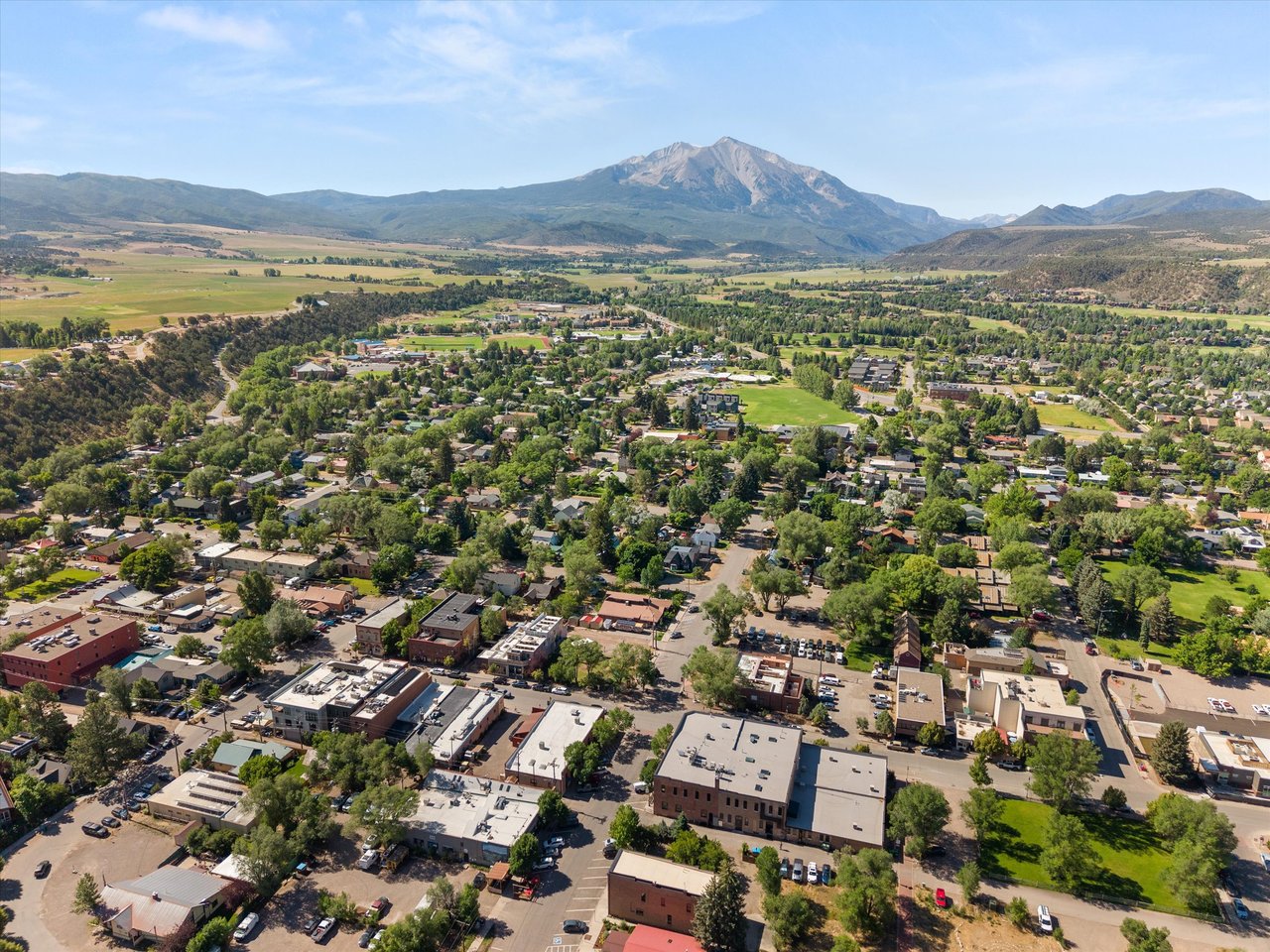
Basalt is a small town with an outsized daily rhythm. According to the Basalt Police Department, the town serves an incorporated population of more than 3,929 residents, with a daily transit population above 40,000 during winter and summer months. For mixed-use investors, that matters because foot traffic and daily activity often support a broader mix of tenants than the resident count alone might suggest.
Basalt also sits across both Eagle and Pitkin counties. That may sound like a technical detail, but it can shape your due diligence in real ways. A property’s exact location can affect jurisdiction, review processes, utility coordination, and the path you take through approvals or redevelopment planning.
Why Long-Term Holds Can Work Here
Basalt is well suited to a long-term hold strategy when the property matches the town’s planning framework. The local vision favors walkable, connected places that blend uses instead of isolating them. That creates a stronger case for holding an asset that can adapt over time rather than relying on one use or one tenant category.
The town’s planning documents point toward mixed-use formats that combine street-level commercial activity with residential or office space above. They also allow for live-work layouts and certain light industrial uses, such as light assembly and repair, in the right context. For you, that means flexibility can be part of the value story if the site and approvals support it.
What Mixed-Use Looks Like in Basalt
Common building formats
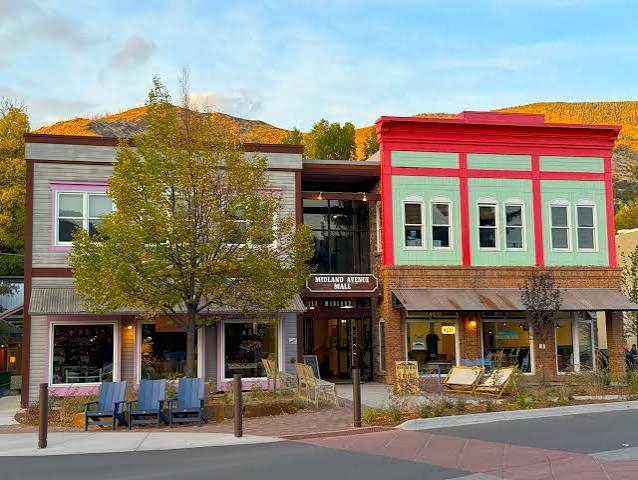
Basalt’s 2020 Master Plan provides the clearest picture of the building types the town supports. Mixed Use Commercial is defined as retail or service commercial at street level, with residential and office uses above. Mixed Use Residential is primarily residential, but it can include commercial uses that add activity and allow existing businesses to remain during redevelopment.
That is important for long-term investors because it shows mixed-use in Basalt is not one-size-fits-all. Some properties may lean more heavily on commercial activation. Others may use residential income as the stabilizing base while commercial space adds visibility and daily use.
Typical tenant mixes
The town’s planning language gives you a practical view of the tenant types that fit this market. It points to small service businesses, repair shops, day care, bakeries, restaurants, grocery, convenience, and other high-turnover retail. In plain terms, the market appears to favor daily-needs and service-oriented tenancy over large-format single-use occupancy.
That supports a long-term hold thesis built around diversity. If your property can serve multiple needs at once, it may be better positioned to weather turnover and changing demand than a building that depends on one narrow business type.
West Basalt Matters
If you are studying mixed-use property in Basalt, West Basalt deserves close attention. It is the clearest local mixed-use node, and it includes some of the town’s most established examples of integrated commercial, residential, and transit-oriented development. This is where the local planning story becomes very tangible.
The town notes that west Basalt, including Willits and the Design Center, is served by the Mid-Valley Metropolitan District, while east Basalt is served by the town-owned water system. That service split can affect underwriting because utility assumptions, service coordination, and infrastructure questions are not uniform across town.
Willits as a model
Willits Town Center is one of the strongest local examples of a functioning mixed-use district. Basalt describes it as the business district of West Basalt, with a large grocery anchor, restaurants, retail and service shops, TACAW, residential units, parklets, a performance stage, and an RFTA bus rapid transit station. The town also notes that the area is highly walkable and has plentiful parking opportunities.
For a long-term investor, that combination tells an important story. A stable mixed-use district often works best when several uses feed each other. Grocery can support daily visits, restaurants and services can extend dwell time, culture can create repeat traffic, and residential can provide built-in activity around the clock.
Why Tenant Diversity Matters
In Basalt, mixed-use appears to work best when the building is not overly dependent on a single tenant class. The town’s planning documents consistently point toward a blend of uses, especially daily-needs retail, food and beverage, services, residential, office, and transit-connected activity. That does not guarantee returns, but it does offer a clear local framework for what fits.
A useful question is whether each part of the property strengthens the others. Does the residential component help support the commercial space? Do the commercial tenants create convenience and activity that improve the building’s appeal? In a long-term hold strategy, that kind of internal balance can matter as much as rent growth assumptions.
Underwriting Issues You Should Not Skip
Land use and code changes
Basalt’s planning environment is active, not static. The town adopted its 2020 Master Plan in March 2020, and in 2026 it was still gathering public input on a Land Use Code update intended to modernize zoning, design standards, subdivision procedures, mobility, parking, and other land-use issues. That means your hold strategy should leave room for policy change instead of assuming today’s rules will stay the same.
If you are buying with plans to renovate, reposition, or expand, entitlement diligence becomes central. Parking expectations, site design standards, and land-use compatibility rules may shift over time. A solid long-term strategy in Basalt starts with understanding where current approvals stand and how future updates could affect optionality.
Planned unit developments
Many mixed-use assets in Basalt are organized through planned unit developments, or PUDs, rather than simple base zoning. The West Basalt zoning map includes PUDs such as Willits Town Center, Basalt Business Center West, South, and East, Mid Valley Center, and Mid-Valley Design/Business Center. The town’s PUD code is written to encourage flexible and creative development, efficient use of land and public services, open space, and pedestrian, vehicle, and mass-transit access.
For you, this means a property’s governing framework may be more customized than it first appears. You need to understand not only the zoning label, but also the specific PUD approvals, conditions, and design intent tied to the site.
Building and sustainability requirements
Basalt’s Building Department says the town is using the 2021 ICC, the 2023 NEC, and the 2024 Sustainable Building Regulations. The town also notes that non-residential mixed-use, townhome, and multifamily construction can fall under Type II sustainable building rules. In practice, that means construction and renovation budgets should account for energy, envelope, and plan-review requirements early.
This is especially important if your long-term hold strategy includes capital improvements. A project that looks straightforward on paper can change once sustainable building requirements and review timelines are factored into your budget and schedule.
Utilities and service coordination
Utility service in Basalt is highly site specific. West Basalt, including Willits and the Design Center, is served by Mid-Valley Metropolitan District. East Basalt is served by the town-owned water system, which currently provides service to about 925 connections.
That split matters because utility service is part of the investment story, not just an operating detail. Before you close, it is smart to confirm service provider, capacity considerations, and how planned improvements or redevelopment may interact with the relevant utility system.
Parking and transit
Parking and transit both matter in Basalt. The town says parking is free, but it is managed with a mix of 72-hour, 24-hour, and 2-hour limits, and the downtown area has 225 total 24-hour parking spaces. At the same time, Basalt Connect provides free on-demand rides to and from downtown Basalt, Willits, and nearby neighborhoods, while RFTA connects Basalt with Aspen, Snowmass, Carbondale, Glenwood Springs, and the broader valley.
That supports a transit-oriented hold strategy, but not a no-parking strategy. If your tenant mix depends on customer convenience, employee access, or short-term visits, parking still needs to be part of the underwriting conversation.
Residential policy factors
If a mixed-use building includes residential square footage, housing policy deserves a place in your review. Basalt’s affordable housing committee says the town is working on housing code and policy updates and is using a 2024 housing-needs assessment update to guide new strategies. Over a long hold period, that could affect mitigation expectations, deed restrictions, or future code requirements tied to residential components.
That does not mean mixed-use residential space is a drawback. In many cases, residential income can add stability. It does mean you should evaluate the residential side with the same discipline you bring to leases, expenses, and physical condition.
A Practical Basalt Hold Strategy
For many investors, the strongest long-term play in Basalt is not chasing a single big upside event. It is owning a well-located property that matches the town’s planning direction, supports a balanced tenant stack, and can operate smoothly through policy changes and normal turnover.
A durable hold thesis in Basalt often includes these elements:
- A walkable location with clear access patterns
- A tenant mix tied to daily needs and repeat visits
- Residential or office components that support overall stability
- Realistic parking assumptions
- Clear utility and jurisdictional diligence
- Flexibility to respond to future code updates
This is one reason Basalt should not be treated as a pure appreciation story. It is a tightly planned, transit-linked, small-market environment where execution matters. The quality of your diligence and the durability of your tenant mix can shape long-term performance just as much as market momentum.
Why Local Execution Matters
Because Basalt crosses county lines and includes multiple utility and review frameworks, mixed-use investing here is a coordination exercise. You are evaluating land use, parking, transit, service infrastructure, building requirements, and tenant economics all at once. That is where local knowledge and disciplined process can make a real difference.
C&E Group’s commercial focus aligns well with this kind of asset. The firm works across commercial sales and leasing, tenant and landlord representation, and mixed-use assets in the Roaring Fork Valley, with a hands-on approach shaped by local business and hospitality experience. For investors and owner-operators, that blend of local context and commercial rigor is especially valuable in a market like Basalt.
If you are considering a mixed-use acquisition in Basalt or reviewing whether a current property fits a long-term hold strategy, a clear, site-specific plan matters. To talk through underwriting, tenant mix, leasing, or disposition strategy, connect with C&E Group.
FAQs
What makes Basalt mixed-use properties attractive for long-term holds?
- Basalt supports walkable, transit-connected mixed-use development, and the town’s planning documents point toward diversified buildings with retail, service, residential, and office uses that can create more durable long-term performance.
What parts of Basalt are most relevant for mixed-use investing?
- West Basalt is a key area to study, especially around Willits and the Design Center, because it includes established mixed-use patterns, transit access, and a different utility service framework than east Basalt.
What should you review before buying a mixed-use property in Basalt?
- Focus on zoning or PUD approvals, current and potential land use code changes, utility provider and capacity, parking conditions, building and sustainability requirements, and whether the site is within town limits or affected by county-level processes.
Why is tenant mix so important in Basalt mixed-use buildings?
- Basalt’s planning framework suggests that properties with a blend of daily-needs retail, food and beverage, services, residential, and office uses may be better aligned with the local market than buildings that rely too heavily on one tenant type.
How do parking and transit affect Basalt mixed-use strategy?
- Transit is a meaningful strength because Basalt Connect and RFTA support access across town and the valley, but parking still matters because local parking is managed by time limits and many mixed-use tenants rely on convenient customer and employee access.
Can residential space improve a Basalt mixed-use investment?
- Yes, residential space can help stabilize income in a mixed-use building, but you should also review housing policy updates and any future requirements that may apply to residential components over a long hold period.