Picture this: you wake up to fresh snow on the peaks in January, then spend a July evening listening to live music after a day on the trails. That contrast is a big part of what draws people to Snowmass year-round. If you are wondering whether Snowmass feels like a true home and not just a resort destination, the answer is more layered and more interesting than you might expect. Here’s what day-to-day life in Snowmass can actually feel like across the seasons, the routines, and the realities that come with living in a mountain town. Let’s dive in.
Snowmass Feels Like a Real Community
Snowmass Village is closely connected to the ski mountain, but year-round living is clearly part of the town’s identity. The town describes Snowmass as a mixed-use, transit-oriented community with residential neighborhoods, open space, and a town core designed for everyday life. It covers about 25.5 square miles and includes roughly 82 miles of maintained trails within town limits.
That matters because living here is not only about vacation energy. It is also about the systems that support daily routines, including snow removal, road and infrastructure maintenance, transit, parks and trails maintenance, recreation programs, public safety, and fiscal management throughout the year. If you are considering a full-time move, that steady municipal focus is part of what makes Snowmass feel more livable than many people assume.
Winter Living in Snowmass
Winter Becomes Part of Your Routine
Winter in Snowmass is beautiful, but it also asks you to adapt. The town reports that its roads see about 150 inches of snow in an average winter, and road crews operate from 5:00 a.m. to 11:00 p.m., seven days a week during ski season. During major storms, chain laws can be activated.
In practical terms, that means winter weather is not an occasional inconvenience. It helps shape your schedule, how you get around, and how you plan errands or regional trips. If you live here full time, snow readiness becomes part of normal life.
Outdoor Access Is Built Into Daily Life
The trade-off is easy to see. Snowmass makes winter recreation unusually accessible for residents who want it woven into their week instead of saved for special occasions. The Aspen Snowmass Nordic system offers more than 60 miles of free cross-country ski and snowshoe trails, and access at Snowmass Golf Course is free.
You also have easy year-round options for staying active close to home. The Snowmass Base Village ice rink offers free skate rentals, and the Snowmass Recreation Center pools and hot tubs stay open year-round. For many residents, that is part of the appeal: your everyday environment makes it easier to get outside, move your body, and enjoy the season.
Summer Living in Snowmass
Summer Opens Up the Mountain
When the snow melts, Snowmass shifts rather than slows down. Summer brings hiking, biking, and a different kind of energy to the village and surrounding trails. Aspen Snowmass notes that Snowmass Bike Park and the surrounding area offer more than 50 miles of cross-country trails.
The broader summer activity mix is wide enough to keep daily life feeling full. Lost Forest adds hiking trails, an alpine coaster, ropes courses, a climbing wall, a fishing pond, and disc golf. If you picture summer here as quiet downtime after ski season, the reality is much more active.
The Events Calendar Keeps Things Social
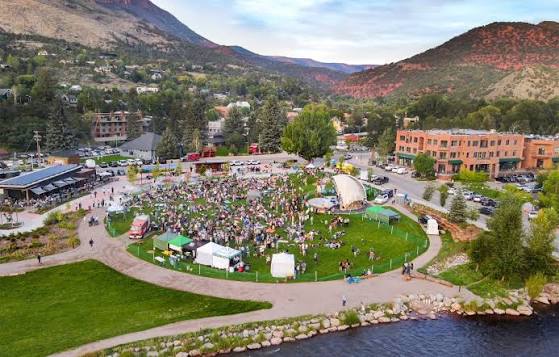
Snowmass also carries a strong summer event rhythm. The 2026 Free Concert Series is scheduled for Thursdays from June 18 through August 27, and the new Mountainside Music Festival is set for June 11 through 13. Live music has long been part of the village’s summer culture.
Town Park adds another layer to everyday life. It serves as a major event venue, while also offering rodeo grounds, fields, a skate park, tennis courts, and trail access. For year-round residents, this helps Snowmass feel social and connected, not isolated.
Getting Around Day to Day
Transit Helps More Than You Might Expect
One of the most practical parts of living in Snowmass is the local transit network. The Village Shuttle is a free bus service in and around Snowmass Village, and it also connects to RFTA. Summer service runs from 6:45 a.m. to midnight from June 1 through September 20, while winter service begins November 27 and includes app-requested rides and on-request coverage in some neighborhoods.
That setup can make local movement easier, especially around the village core. The Snowmass Mall Transit Center reports that the Village Shuttle and RFTA together provide about 1 million rides each year through the Mall. For many residents, that means fewer short car trips and more flexibility in busy seasons.
You May Still Want a Car
At the same time, Snowmass is not a fully car-free place for most people. The walkable core and shuttle system are helpful, but regional errands and winter driving still matter. Peak transit periods can also hit capacity.
So what does that feel like in real life? Convenient for a mountain town, yes. Fully effortless, no. Snowmass rewards residents who like a mix of walkability, transit options, and realistic planning.
Everyday Errands and Work Life
Many Needs Are Close to Home
Snowmass has more day-to-day convenience than some buyers expect from a resort town. The local retail mix includes groceries, wine, art, fashion, ski retail, cafés, and other services. That means many routine stops can happen without leaving the village.
The town is also working on more intuitive multimodal connections between Snowmass Center, Base Village, and the Snowmass Mall. That ongoing work speaks to the way Snowmass is trying to function better for people who live here regularly, not only people visiting for a few days.
Remote Work Has Local Momentum
If you work remotely, Snowmass offers a promising signal through its broadband planning. The town adopted a Broadband Master Plan in 2021, completed Phase 1 of its fiber network in 2023, and is extending the backbone toward the Upper Village and other town facilities.
That does not make Snowmass feel like a conventional suburb built around home offices. It still feels like a mountain town with resort rhythms. But the infrastructure work shows a clear effort to support modern day-to-day living.
Family Life in Snowmass
Schools and Childcare Shape the Experience
For households planning around children, Snowmass offers important pieces of infrastructure. School-aged children living in Snowmass Village attend Aspen School District elementary, middle, and high schools. That gives families a defined path for school logistics.
Childcare is also part of the local conversation. The town states that the Little Red Schoolhouse is the only year-round childcare facility in Snowmass Village, and an expansion project is planned to add a four-classroom building with capacity for up to 60 children. Thrive Snowmass also connects year-round livability directly to childcare access and other essential services.
Recreation Is Easy to Access
Family life here can feel active and outdoors-oriented because so many amenities are close at hand. The recreation center, parks, trails, events, and seasonal activities give families plenty of options throughout the year. That can make weekly routines feel fuller without needing a long drive for every outing.
Just as important, the town keeps investing in the civic pieces that support year-round residents. That creates a different feeling than a place designed mainly around short stays.
Culture Beyond the Slopes
Snowmass Has an Arts Side Too
Snowmass is known for outdoor access, but that is only part of the picture. Anderson Ranch Arts Center hosts workshops, year-round events, and an artist-in-residence program. For residents, that adds a creative layer to the community that goes beyond recreation.
Volunteer opportunities also help shape local culture. The town highlights ways to get involved through guest services, clean-up day, and special events. If you want to feel connected here, there are clear ways to participate.
The Trade-Offs of Living Here Full Time
Resort Energy Comes With Pressure Points
A realistic picture of Snowmass includes the benefits and the strains. Thrive Snowmass identifies housing affordability, childcare access, grocery prices, homeowner insurance, and tax rates as pressures on residents. It also notes that limited housing supply and service capacity can make it harder to stay long term.
Short-term rentals are also prevalent, and workforce housing is managed through the town’s housing department and APCHA. For buyers, that means the year-round lifestyle can be rewarding, but it is wise to enter the market with a clear view of costs, inventory, and how resort demand shapes the community.
Busy Seasons Are Part of the Deal
Peak periods can feel crowded, and transit capacity is sometimes reached. Winter driving also requires attention, especially when chain laws are active during major storms. These are not reasons to avoid Snowmass, but they are part of what makes the experience real.
In other words, calling Snowmass home year-round often feels like choosing a mountain lifestyle with open eyes. You get exceptional access to recreation, a strong events calendar, local services, and a community that is actively investing in livability. You also accept weather, seasonality, and the pressures that come with a high-demand resort market.
What It Really Feels Like
Living in Snowmass year-round often feels like having the best parts of mountain life close enough to become normal. Trails, music, winter sports, civic events, and local gathering spots are not occasional perks. They become part of your weekly rhythm.
At the same time, Snowmass does not pretend to be something it is not. It is still a resort town, still shaped by snow, tourism, and limited supply. For the right buyer, that balance is exactly what makes it compelling: a place that feels scenic and energetic, but also rooted enough to feel like home.
If you are weighing a move to Snowmass or comparing it with other Roaring Fork Valley communities, working with a team that understands both lifestyle priorities and local market realities can make the search much clearer. To start the conversation, C&E Group is here to help.
FAQs
What is year-round living like in Snowmass Village?
- Year-round living in Snowmass Village feels active, scenic, and community-oriented, with access to trails, events, transit, and local services, while still being shaped by resort seasons, weather, and housing pressure.
Is Snowmass Village practical without a car?
- Snowmass Village is partly practical without a car because the free Village Shuttle, RFTA connections, and walkable village core help with local trips, but regional errands and winter conditions still make a car useful for many residents.
What does winter feel like for full-time Snowmass residents?
- Winter in Snowmass feels immersive and highly seasonal, with regular snow, active road maintenance, possible chain law requirements during major storms, and easy access to skiing, snowshoeing, skating, and recreation facilities.
What is summer like in Snowmass Village for residents?
- Summer in Snowmass Village feels busy and outdoors-focused, with hiking, biking, Lost Forest activities, Town Park amenities, and a live music calendar that includes weekly concerts and major seasonal events.
Is Snowmass Village a good fit for remote work?
- Snowmass Village shows positive signs for remote work because the town has advanced its fiber network and broadband planning, though the overall feel remains that of a mountain town rather than a suburban office environment.
What should families know about living in Snowmass year-round?
- Families in Snowmass Village have access to Aspen School District schools, year-round recreation amenities, community events, and a childcare expansion effort, although childcare access remains an important local issue.