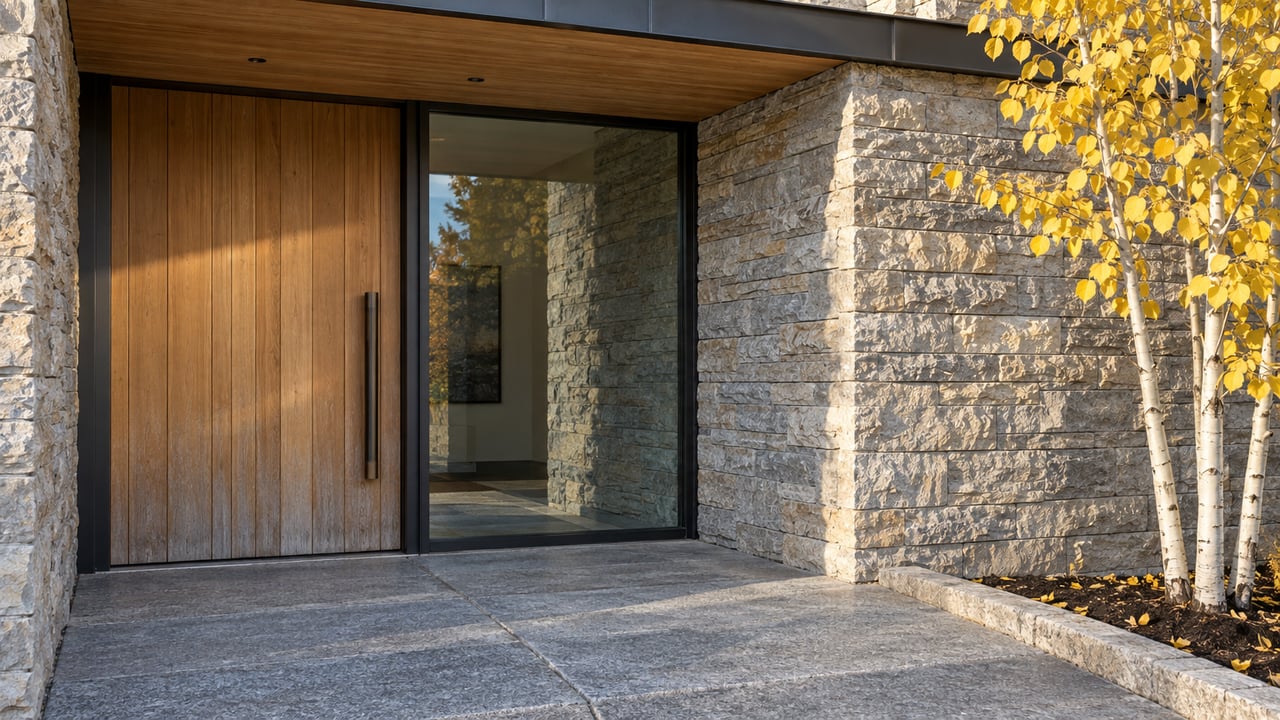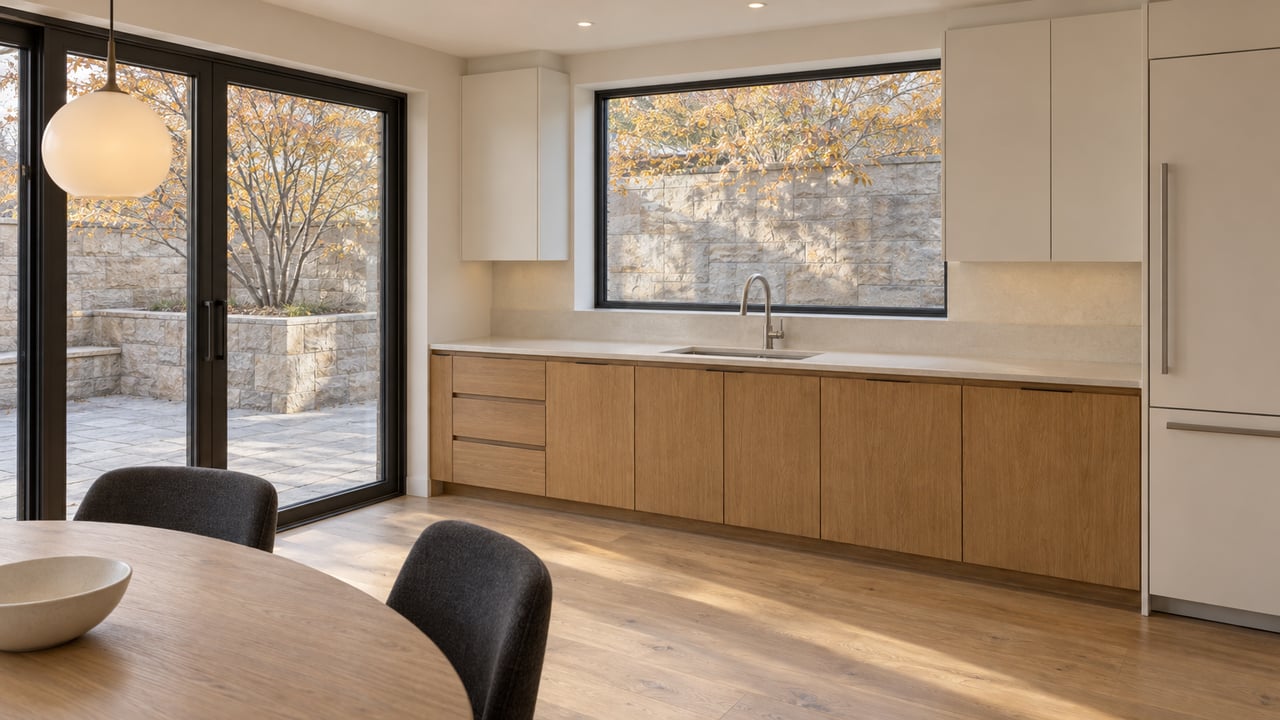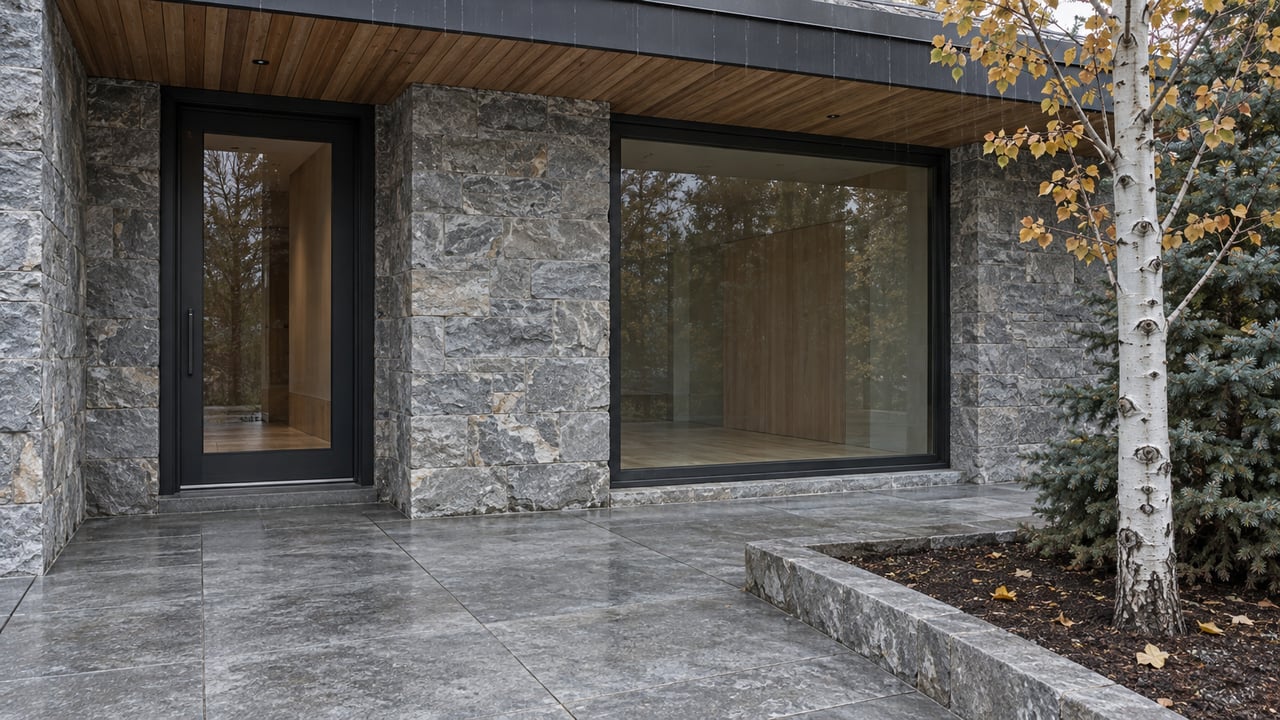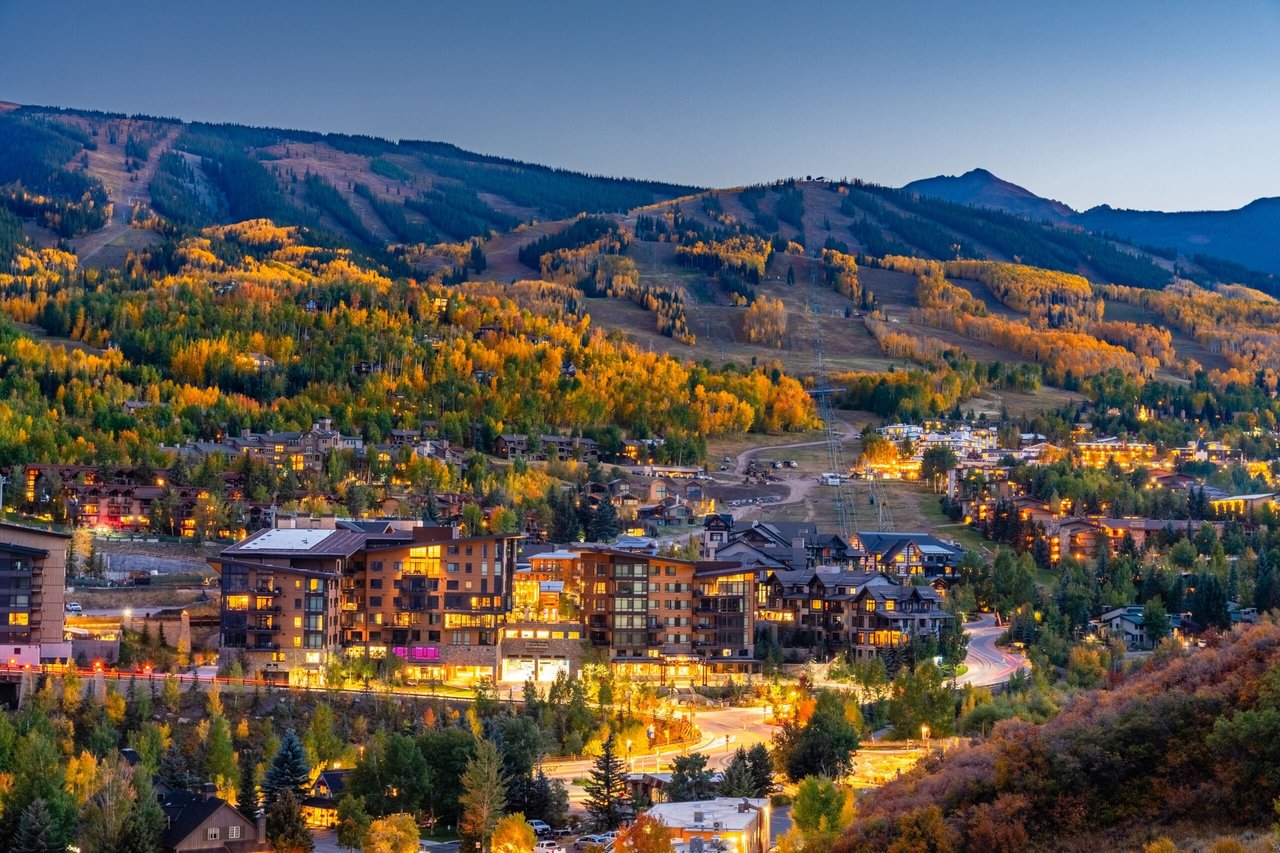
Wondering whether a Snowmass second home can do more than sit beautifully between ski trips? That is the right question to ask before you buy. If you are thinking about balancing personal use with rental income, Snowmass can be compelling, but only if you understand the local rules, property types, and operating costs that shape returns. Let’s dive in.
Snowmass Works Differently
Snowmass is not a typical owner-occupied suburb. Town data in the 2026 budget book reports 2,602 housing units, with 1,217 counted as vacant, for a 46.8% vacancy rate. In a resort setting like this, that number points to seasonal use and part-time ownership rather than weak demand.
That context matters if you are buying a second home with rental goals. You are underwriting a hybrid lifestyle-and-income asset, not just a standard long-term investment property. Your personal-use calendar, peak-season demand, and building-specific rental setup all have a direct impact on performance.
Why Buyers Look at Snowmass
Snowmass Village is part of the Aspen-Snowmass resort system and is described by the town as a year-round family resort. That year-round identity helps support the idea that rental demand is not limited to one short ski window, even though winter remains the strongest season.
The town also maintains a free Village Shuttle that connects to regional transit. The 2026 budget book says the shuttle system logged 488,671 riders annually, with most ridership in winter months. For second-home owners and guests, that supports convenience and helps explain why location and access can carry real weight in rental appeal.
Property Type Matters More Than You Think
One of the biggest Snowmass underwriting mistakes is treating all homes as if they perform the same way. They do not. Local rules and market packaging make a clear distinction between hotel-style lodging, multifamily properties, and single-family or duplex homes.
The town’s housing inventory also leans heavily toward multifamily product. According to the 2026 budget book, Snowmass has 1,008 units in buildings with 5 or more units, compared with 224 single-unit buildings and 196 units in buildings with 2 to 4 units. That means many buyers evaluating rental potential will be looking at condos, condo-hotel formats, or townhome-style properties rather than detached homes.
Common second-home rental formats
Aspen Snowmass lodging materials show how Snowmass inventory is commonly presented to guests:
- Ski-in/ski-out condos
- Condominium hotels
- Townhomes
- Individually owned units with varied interiors and finishes
- Units that may include full kitchens, fireplaces, and balconies
That matters because guest expectations, operating models, and management structures often differ by format. A condo in a building with a centralized check-in and rental management setup may behave very differently from a single-family home rented independently.
Short-Term Rental Rules Shape the Numbers
If you plan to rent your Snowmass second home for short stays, you need to evaluate legal use first, not last. Snowmass Village requires both a business license and a short-term rental permit. The town says these rules took effect on May 1, 2023, and revised regulations effective December 30, 2025 set the permit fee at $400 and move permit expiration to April 30 each year.
Permits are issued through MuniRevs, and compliance does not stop after approval. Hosts must report occupied nights and remit required taxes monthly. Snowmass also states that Airbnb and VRBO no longer remit tax on the host’s behalf.
Key STR operating rules to review
Before you make an offer, confirm how these rules apply to the exact property:
- Whether the property is legally eligible for short-term rental use
- Which permit type applies
- Whether the HOA allows short-term rentals
- Whether the permit transfers with the sale, since permits are non-transferable
- Whether a local owner representative is in place
- Whether the required insurance standards can be met
- Whether ads must include the permit number
These details are not minor. In Snowmass, they can affect both your ability to rent and your day-to-day operating burden.
Minimum Stay and Occupancy Rules Can Affect Revenue
Not every Snowmass property has the same rental flexibility. For permit types 3 and 4, the town limits occupancy to two people per legal bedroom plus two for units with three or fewer bedrooms, or two people per legal bedroom plus four for units with four or more bedrooms. Children age five and under do not count toward that limit.
Type 4 properties, which include single-family homes and duplexes, also have a four-night minimum stay. That can influence booking patterns, cleaning schedules, and shoulder-season strategy. If you are comparing a detached home to a condo, this is one of several reasons their income profiles may differ.
Taxes and Compliance Need a Line Item
Snowmass Village lists its sales tax at 10.65% and lodging tax at 13.05%. Tax returns are due monthly by the 20th, even during zero-revenue months. From an underwriting standpoint, that means you should treat compliance as an ongoing operating responsibility, not a one-time setup task.
This is especially important in a resort market where many owners focus first on gross rental revenue. In practice, your net picture depends on how well you account for taxes, management, turnover, and reserves. Missing these items can make an attractive property look better on paper than it performs in real life.
Snowmass Underwriting Should Start With Personal Use
For many buyers, Snowmass is not purely an investment purchase. It is a place you want to enjoy. That is why a realistic pro forma should reserve your personal-use dates first and estimate rentable nights second.
This approach is more honest and more useful. Snowmass is best viewed as a lifestyle property with income support, especially because demand tends to peak in winter and soften outside top travel periods.
Core expenses to model
A practical Snowmass rental analysis should include:
- Gross rental revenue
- Vacancy assumptions
- Platform fees
- Management fees
- Cleaning costs
- HOA dues
- Sales and lodging taxes
- Insurance
- Utilities
- Snow removal
- Maintenance
- Reserve contributions
- Financing costs
In this market, compliance costs also deserve attention. Annual permitting, monthly remittance, local representative coverage, and possible building-level management requirements can all affect returns.
Building Age Can Influence Your Reserve Strategy
Another point buyers should not overlook is property age. The town’s ACS-based housing table reports a median year of construction of 1981 for owner-occupied units and 1993 for rental units. That does not tell you the condition of any individual property, but it does support a reserve-conscious approach.
If you are comparing multiple options, newer updates and stronger building maintenance may matter just as much as headline rental potential. In a mountain climate, maintenance planning is part of the investment story.
Town Limits Versus County Rules
One of the most important pre-offer questions is simple: Is the property actually inside Snowmass Village? Buyers should confirm whether a parcel is within town limits or in unincorporated Pitkin County before underwriting.
That is because Pitkin County has its own short-term rental licensing program for rentals under 30 days. County materials describe a four-night minimum and a 120-night maximum in unincorporated areas. If you assume town rules apply everywhere, you could misread the property’s real rental capacity.
Best Questions to Ask Before You Buy
At C&E Group, we believe disciplined underwriting creates better lifestyle decisions. In Snowmass, a few targeted questions can save you time and help you avoid mismatched inventory.
Ask these before writing an offer
- Can this specific property legally operate as a short-term rental?
- Is it in Snowmass Village or unincorporated Pitkin County?
- Does the HOA allow short-term rentals?
- What permit type applies?
- What minimum-stay rule applies?
- Is there a required centralized management program?
- Is the property a condo, townhome, hotel-style unit, duplex, or single-family home?
- Are your rental comps truly comparable to that product type?
- What recurring compliance and operating costs should be built into the pro forma?
These are the questions that help turn a beautiful second-home search into a sound buying decision.
What a Strong Snowmass Opportunity Looks Like
A strong Snowmass second-home rental opportunity is usually one where the lifestyle fit and operating model are aligned. That may mean a condo in a building already structured around guest stays, or it may mean a townhome that fits your personal-use calendar and still pencils with realistic costs.
The right property is not always the one with the highest top-line revenue estimate. Often, it is the one with the clearest legal path, the best product-type comps, and an expense structure you can live with comfortably over time.
If you are evaluating Snowmass through both a personal and investment lens, local detail matters. The team at C&E Group can help you assess product type, location, and underwriting assumptions with a practical Roaring Fork Valley perspective.
FAQs
What makes Snowmass different from a typical second-home rental market?
- Snowmass functions as a seasonal resort market with significant part-time ownership, a high share of multifamily housing, and local short-term rental rules that can materially affect use and income.
What permits do you need for a short-term rental in Snowmass Village?
- Snowmass Village requires both a business license and a short-term rental permit, with permits issued through MuniRevs and renewed on an annual cycle.
What taxes apply to Snowmass Village short-term rentals?
- The town lists a 10.65% sales tax and a 13.05% lodging tax, with monthly returns due by the 20th even if the property had no revenue that month.
What is the minimum stay for a Snowmass single-family short-term rental?
- Type 4 properties, which include single-family homes and duplexes, are subject to a four-night minimum stay under the town’s short-term rental rules.
Why should Snowmass buyers verify town versus county location?
- A property inside Snowmass Village may be subject to different rental rules than one in unincorporated Pitkin County, so location affects licensing, stay rules, and rental capacity.
What should you include in a Snowmass second-home rental pro forma?
- A realistic pro forma should include rental revenue, vacancy, fees, taxes, management, cleaning, HOA dues, utilities, insurance, maintenance, reserve contributions, snow-related costs, and financing.