If you want to build a business without giving up the mountain lifestyle, Aspen has a compelling case. You can live close to your work, tap into a year-round visitor economy, and operate in a place where every block matters. But Aspen is not a plug-and-play market, and success often depends on understanding housing, seasonality, zoning, and the downtown environment before you make a move. Let’s dive in.
Why Aspen Works for Entrepreneurs
Aspen is small, visible, and deeply shaped by tourism. The Aspen Chamber reports 6,718 residents in Aspen in 2022 and 16,856 in Pitkin County, which helps explain why business reputation and location can carry outsized weight in daily operations.
This is also a market built around balance. Aspen’s destination-management framework centers on visitor pressure, enhancing the Aspen experience, and preserving small-town character, which means local business activity sits at the intersection of community needs, visitor demand, and place-making.
For you as an entrepreneur, that creates real opportunity. It also means your business is not operating in isolation. In Aspen, the place where you live and the place where you work often influence each other every day.
Aspen Runs on Seasons
Aspen’s business rhythm changes with the calendar. Winter brings ski traffic, summer brings strong visitation and a full cultural schedule, spring is quieter, and fall has its own steady draw tied to seasonal scenery and shoulder-season routines.
The city’s downtown parking policy reflects that seasonal pattern in practical terms. Peak season runs from June through September and December through March, while April through May and October through November are treated as off-season periods.
Airport traffic shows that Aspen is active in both major seasons, not just one. Chamber research notes 83,441 passengers at Aspen Airport in January 2024 and 74,416 in July 2024, which reinforces how winter and summer can both drive customer volume.
What seasonality means for daily business
If you are planning to open, lease, or relocate in Aspen, seasonality affects more than sales. It can influence staffing, operating hours, delivery timing, customer flow, and even how easy it is for clients to park or move through town.
This matters whether you run a restaurant, specialty retail shop, service business, or office-based operation. A strong Aspen strategy usually accounts for busy months, shoulder seasons, and the reality that customer patterns can shift quickly around major events and travel periods.
The Downtown Core Matters
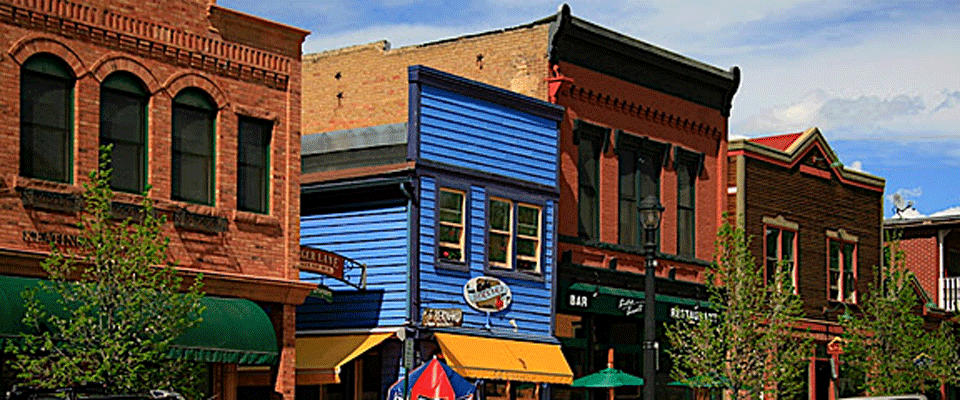
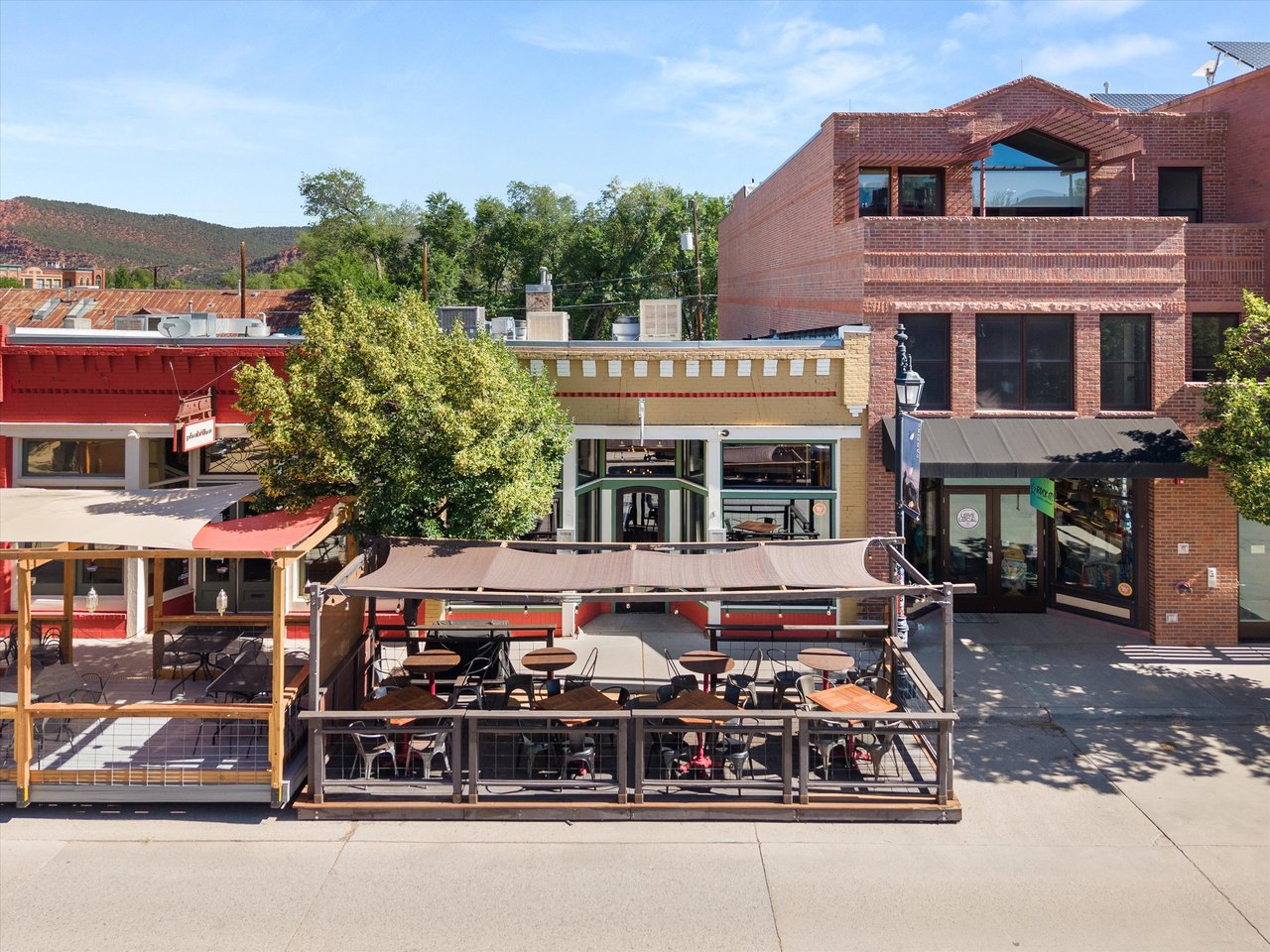
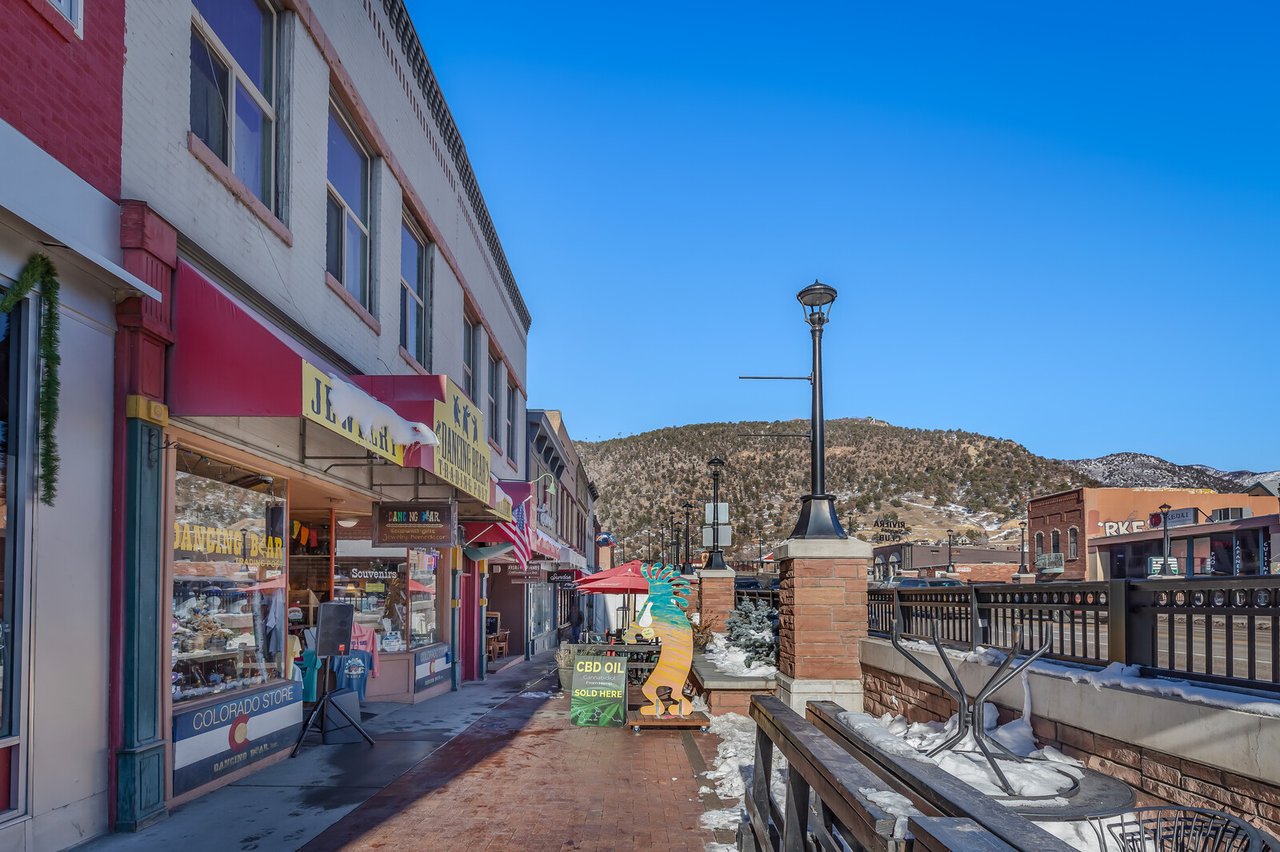
Aspen’s commercial environment is not built like a spread-out suburban market. Instead, entrepreneurs often work within downtown storefronts, mixed-use buildings, lodge-adjacent commercial spaces, or carefully placed office suites.
That is largely because zoning shapes what can happen where. According to the city’s business toolkit, restaurant and retail uses are permitted in most downtown zone districts, while medical and real estate offices are allowed only in certain locations.
Some areas also come with tighter limits. The city notes that properties north of Main Street, especially in Obermeyer Place, North Mill Street, and Puppy Smith Street, can have more restricted use options because of zoning.
Confirm the use before you commit
One of the most important steps in Aspen is confirming that your intended use is allowed before you sign a lease. The city advises prospective tenants to contact the Planner of the Day to verify whether a proposed use fits the property and zoning rules.
That can save you time, money, and frustration. A space may look ideal on the surface, but the right business fit in Aspen depends on what the city allows at that specific location.
Design Standards Are Part of Business Planning
In Aspen, your build-out is not only a construction project. It can also involve historic-preservation review, sign rules, lighting standards, and permit requirements that affect timeline, budget, and branding.
The city says Aspen has more than 300 historic resources, and buildings in the Commercial Core Historic District are subject to historic-preservation review. Properties in the historic-preservation program are held to higher appearance standards, and some exterior and interior work may need approval before construction begins.
Signage has its own rules as well. Sign permits are required, blinking or neon-appearing signs are prohibited, and lighting must be downcast to reduce spill beyond the business.
Tenant improvements need a local strategy
Even minor work can require a building permit, according to the city’s toolkit. Aspen also highlights an EPIC permit program for downtown tenant-finish work, which shows how structured the process can be.
For you, that means tenant improvements should be viewed as a full planning exercise. Before you move forward, it helps to think through zoning, approvals, storefront presentation, and project timing together, not one at a time.
Housing Can Make or Break the Plan
For many entrepreneurs, housing is the biggest live-work variable in Aspen. You may find the right business opportunity, but the long-term equation still has to work on the residential side.
The Aspen/Pitkin County Housing Authority provides affordable housing to full-time or seasonal employees who could not otherwise afford to own or rent in Pitkin County. The city also notes that the APCHA program manages more than 3,000 deed-restricted units.
That does not mean every entrepreneur will qualify for a housing solution through that system. It does mean that housing is a major factor in how people make Aspen work year-round, especially for owner-operators and teams that need consistency across seasons.
Why live-work planning matters early
If you are moving a business to Aspen or starting one here, housing should be part of your early planning, not an afterthought. Your commute, staff reliability, and quality of life can all be shaped by where and how you live in relation to your business.
In a market like Aspen, living and working in one place can absolutely be possible. But the plan tends to work best when housing and commercial strategy are considered together from the beginning.
Getting Around Aspen Is Easier Than Many Expect
Transportation is one of Aspen’s practical strengths. For a mountain town with heavy visitor activity, the city offers multiple ways to move around without relying on a car for every trip.
The city says free shuttles help people get around Aspen, buses between Aspen and the Aspen-Pitkin County Airport are free, service between Aspen and Snowmass Village is fare-free, and Brush Creek Park & Ride offers free parking with free buses to downtown Aspen. The Downtowner also provides door-to-door service around town.
That can be a real advantage if you want a live-work setup with less day-to-day friction. Walking, biking, and transit can support a more flexible routine, especially when downtown parking is limited and seasonal traffic picks up.
Parking still shapes the business day
Aspen’s transportation system is helpful, but parking still matters. The downtown core has a four-hour parking maximum, and rates change between peak and off-season periods.
For customer-facing businesses, that can influence how clients plan visits. For owner-operators, it can shape employee routines, meetings, errands, and delivery timing throughout the day.
Regulations Are Part of the Aspen Business Model
Aspen operates within a structured local framework, and that should be part of your planning from day one. If you are doing business within city limits, the city requires a combined Sales Tax and Business License, including for businesses that provide services or deliveries.
Licenses are issued to the specific owner and location, which makes location decisions especially important. A change in address or business setup is not something to treat casually in this market.
Operational details matter too. The city’s toolkit says trash, recycling, and compost must be managed deliberately, and Aspen’s location in bear habitat adds another layer to how waste is handled.
A coming rule to note
Beginning in January 2026, composting becomes mandatory for all commercial businesses and multifamily properties, according to the city. If you are planning a business with food service, hospitality, or regular waste output, that is worth building into your operating plan now.
This is a good example of how Aspen blends lifestyle, community standards, and regulation. Running a business here often means being thoughtful about both customer experience and local compliance.
Who Aspen Fits Best
Aspen can be a strong fit if you are comfortable operating in a seasonal, experience-driven market. It is especially well suited to entrepreneurs who value visibility, community context, and a walkable environment where brand presentation matters.
It may also appeal to you if you want your business and lifestyle to support each other. In Aspen, the right opportunity is often not just about square footage. It is about use, timing, access, design, housing, and how well your business fits the way the town actually functions.
For many owner-operators, that is exactly the appeal. Aspen offers the chance to build something in a place where work and lifestyle are closely connected, as long as you plan with the market, not against it.
If you are exploring commercial space, mixed-use opportunities, or a move that blends business goals with mountain living, C&E Group can help you evaluate the fit with local insight and a practical, entrepreneur-minded approach.
FAQs
What makes Aspen appealing for entrepreneurs?
- Aspen offers a year-round visitor economy, a compact and highly visible downtown environment, supportive transportation options, and a lifestyle that can align closely with where you work.
How does Aspen seasonality affect local businesses?
- Aspen has distinct winter, spring, summer, and fall patterns, and those seasons can affect customer traffic, staffing, parking, hours, and overall business planning.
What types of commercial spaces are common in Aspen?
- Entrepreneurs in Aspen often use downtown storefronts, mixed-use buildings, lodge-adjacent commercial spaces, and office suites that fit the city’s zoning rules.
Why should Aspen business owners verify zoning before signing a lease?
- The city allows some business uses only in certain locations, so confirming that your intended use is permitted can help you avoid costly lease mistakes.
How does housing affect living and working in Aspen?
- Housing is one of the biggest factors in whether a live-work plan is sustainable year-round, because where you live can affect commute, staffing stability, and daily quality of life.
What transportation options support a live-work lifestyle in Aspen?
- Aspen offers free shuttles, free airport bus service, fare-free service to Snowmass Village, the Downtowner, and free parking with bus access at Brush Creek Park & Ride.
What licenses do businesses need to operate in Aspen city limits?
- The city requires a combined Sales Tax and Business License for businesses operating within Aspen city limits, including service and delivery businesses.
What operating rule should Aspen entrepreneurs plan for now?
- Beginning in January 2026, Aspen requires composting for all commercial businesses and multifamily properties, so waste planning should be part of early operational decisions.