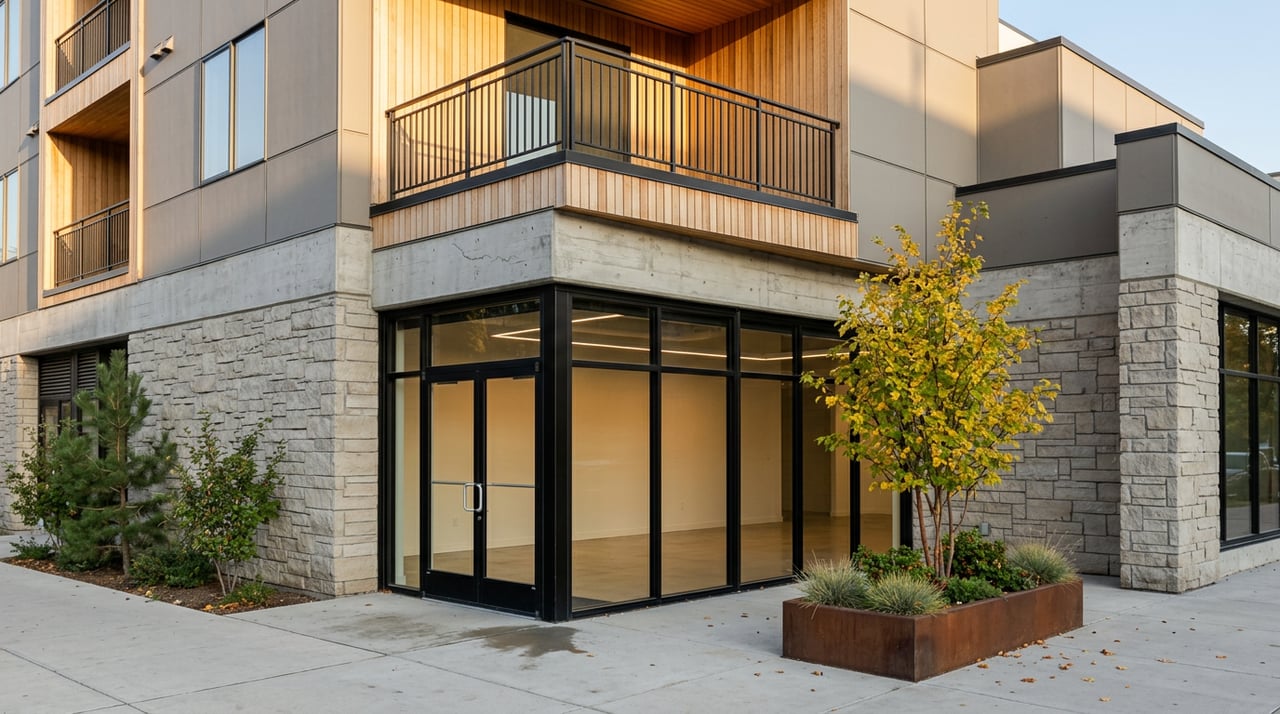
Owning a mixed-use building in Basalt can be a powerful wealth and community play, but small details often drive big swings in value. If you are deciding whether to hold, refinance, convert, or sell, you need a clear, local checklist that goes beyond a glossy rent roll. In this guide you’ll find the key questions that Basalt owners ask, plus links to town rules and underwriting steps that affect your net operating income and options. Let’s dive in.
Basalt specifics that change your math
Basalt is unique in the valley, and local rules can change both income and redevelopment potential.
- Confirm your county first. Basalt spans two counties. Basalt extends into both Eagle and Pitkin counties, and district taxes and assessor records vary by side. Before you pull tax bills or model mill levies, verify the parcel’s county.
- Mixed-use is a town priority. The Our Town Subarea Plan favors a walkable, mixed-use downtown pattern. It does not force every building to combine uses, but it does guide how staff and council view proposals. Review the Our Town Subarea Plan when assessing conversion opportunities or risk of future change.
- Use recent approvals as a blueprint. Town actions are your best window into feasibility. For example, Basalt approved a Willits project with ground-floor commercial and apartments above. Read the Willits Lot 1A mixed-use approval to see common conditions like parking, open space, and housing linkage.
- Parking flexibility can help or hurt. Basalt can reduce required parking for mixed-use when criteria are met, including transit access, walkability, and shared parking. Check your zone and any PUD or site-plan agreements for credits and constraints. See the town code excerpt on parking reductions for mixed-use.
- Short-term rentals require licensing. If you plan to run residential units as STRs, Basalt requires a sales tax license plus an annual STR business license with inspections and reporting. Fee schedules and lodging tax rules have changed, so confirm current requirements on the Town’s STR licensing page.
- New pricing disclosure rules. Colorado’s HB 25-1090 addresses drip pricing and total price disclosure. It can affect how you present rents and fees in ads and OMs. Review a legal overview of Colorado’s HB 25-1090 and total price rules before you publish marketing.
What to read first in your files
Start with the income spine of your building, then verify every number with source evidence.
Rent roll and real collections
A rent roll sets the baseline, but it can overstate income if not reconciled to bank deposits. Get the current and historical rolls and compare them to T12 collections and tenant ledgers. Definitions and valuation context from the commercial world are helpful here. Use a glossary like RPII’s real assets reference to align on terms.
Key questions:
- Are in-place rents fully collected, and does the T12 match the roll?
- What is your true economic vacancy, including concessions and credit loss?
- Do you have any income concentration risk by tenant or use type?
Lease abstracts and clauses that swing NOI
Abstract every lease onto a one-page summary. Focus on lease type, recoveries, and escalations that change volatility.
Look for:
- Lease type. Triple net, modified gross, or full-service. Map exactly which expenses tenants pay.
- Escalations. Fixed bumps or CPI tied to an index. Note caps or floors.
- Options. Renewal, expansion, termination, assignment and sublet.
- Exclusivity or co-tenancy. These can block re-tenanting or restrict future uses.
CAM pass-throughs and reconciliations
Operating expense recoveries often hide value or leakage. Review CAM definitions, exclusions, recovery math, and gross-up assumptions. Then request the last two to three years of reconciliations with supporting invoices. Watch for administrative fees, inconsistent allocations, or capital vs operating reclassifications. For practical control points, see this guidance on CAM language and common pitfalls.
Operating statements and capital needs
Pull the T12 and two to three prior years of P&Ls. Then layer in capital history for major systems like roofs, HVAC, life-safety, and restaurant equipment such as hoods and grease interceptors. Normalize for one-time expenses and set realistic reserves for near-term replacements.
Valuation for mixed-use in Basalt
Mixed-use assets often require two lenses. Appraisers and brokers typically underwrite the commercial and residential streams separately or combine them into a blended NOI, then apply component-appropriate cap rates or a reconciled blended yield. For terminology and methods, review the RPII overview of income valuation and comps.
Market commentary in the Aspen to Carbondale corridor has observed stabilized cap rates broadly in the mid single digits. As a directional note, reports cite roughly a 4 to 6 percent range depending on the asset and tenant strength. See the Roaring Fork notes from Rocky Mountain Commercial Real Estate. Your specific cap rate will depend on stability, credit quality, lease terms, and size. Always ask a local broker or appraiser for live comps and a stabilized, reserve-inclusive NOI.
Physical, legal, and environmental checks
A few hard checks can save you from expensive surprises.
Certificates of Occupancy and permitted uses
Confirm that every floor and space has the right CO for its current use and that any change of use was permitted. Conversions, such as second-floor office to residential, may require site-plan amendments and can trigger conditions like housing linkage or parking. The town’s recent approvals, including the Willits ordinance example, show the process and typical conditions.
Building systems and code-driven costs
Test the big-ticket items: roof age, HVAC capacity, electrical panels, plumbing, elevators, and ADA access. Restaurant conversions can require hoods, ventilation, grease traps, and fire suppression that carry six-figure price tags. Ask for contractor estimates before you underwrite a new use.
Zoning, PUDs, easements, and parking agreements
Verify permitted uses in your zoning district and read any recorded PUD or site-plan conditions. Parking can be privately administered in areas like Willits and may be governed by separate agreements. The ordinance record for Willits provides helpful context on private parking regimes and conditions. Revisit parking reduction criteria and code language to understand how mixed-use parking flexibility may apply at your site.
Environmental diligence
Order a Phase I Environmental Site Assessment for any sale or refinance. If the Phase I flags recognized environmental conditions, a Phase II with sampling is the next step. For scope and policy background, see the EPA’s note on Phase I ESA and All Appropriate Inquiries.
Title, insurance, and claims
Pull a current title report, ALTA survey, and all recorded easements. Ask your broker or attorney to review any shared access or parking rights. Request five years of insurance claims and quotes for replacement coverage, since premiums in mountain towns can shift with wildfire exposure and loss history.
Value-add plays that work here
Use these ideas to frame upside, then test each against Basalt rules and your leases.
- Lease up smart. Fill vacant suites with uses that match local demand in Willits and Downtown Basalt, such as neighborhood food and beverage, fitness, or medical. Ask for local rent comps and sales productivity data from brokers who track the corridor. Regional commentary is available from Roaring Fork market notes.
- Capture loss to lease. If in-place rents sit below market, plan targeted increases at turnover. A simple scatter by lease date and rent can show the gap. For practical investor tactics, see this discussion of loss-to-lease drivers from BiggerPockets.
- Reclassify space where allowed. Converting underutilized second-floor commercial to residential can add value, but it requires town review and may trigger parking or housing linkage conditions. Use the Willits approval document as a guide to likely conditions, then verify parcel-specific entitlements.
- Model STR revenue with fees. STRs can lift gross income, but licensing, inspections, regulatory fees, and lodging tax affect your net. Confirm current requirements on the Town’s STR page and build conservative vacancy and seasonality into your model.
Constraints and red flags:
- Restaurant buildouts need heavy mechanical, plumbing, and fire systems. Budget with contractor quotes, not ballpark assumptions.
- Parking is a real constraint. Downtown lots can be small, and Willits often relies on private or shared parking. Parking reductions are discretionary, not guaranteed.
- Lease exclusivity or co-tenancy clauses can limit your ability to re-tenant or change uses.
Quick due diligence checklist
Documents to request now:
- Current rent roll plus T12 deposits or bank statements that match collections.
- All signed leases with one-page abstracts per tenant.
- CAM reconciliations with vendor invoices for the last two to three years. For what to watch, revisit CAM control best practices.
- Operating statements for the T12 and prior two to three years; list of capital improvements and major repair invoices.
- Most recent property tax bill and assessor parcel details for the correct county.
- Insurance policy declarations and five-year claims history.
- Title report and ALTA survey with recorded easements and encumbrances.
- COs, building permits, and any site-plan or ordinance conditions tied to your parcel, using the Willits approval as a process reference.
- Phase I ESA or budget to order one, per EPA guidance on Phase I scope.
- Service contracts and any third-party management agreements.
- Offering memorandum if one exists, then verify each statement against source documents.
Smart broker or seller questions:
- Do your deposits match the rent roll, and if not, why not?
- Which CAM line items are capital versus operating, and are any pass-throughs disputed?
- Has the Town recorded any zoning or code violations, or are there outstanding site-plan conditions?
- Are any units licensed for STR, and are licenses current under the latest fee schedule?
Next steps for Basalt owners
Start with the rent roll, collections, and CAM reconciliations, then pull your COs and site-plan conditions. Check your county, parking entitlements, and STR eligibility, since each can change NOI and exit value. For pricing assumptions, model a stabilized, reserve-inclusive NOI and use a cap rate range aligned with current corridor comps, then validate with a local appraiser or broker.
If you want a clear, Basalt-specific read on your options, from pro forma and lease abstracts to a market-ready offering memorandum, connect with the C&E Group. Our team blends CCIM-level underwriting with on-the-ground leasing and investor packaging across Downtown Basalt and Willits, so you can move forward with confidence.
FAQs
What should a Basalt owner review before listing a mixed-use building?
- Pull the rent roll with T12 collections, CAM reconciliations with invoices, COs and permits, title and easements, property tax bills for the correct county, and a Phase I ESA.
How do Basalt parking rules affect adding apartments over retail?
- The Town may grant parking reductions for mixed-use if criteria are met, but reductions are discretionary and often conditioned, so check zoning, site-plan terms, and shared parking agreements.
What short-term rental steps matter for residential units in Basalt?
- You need a sales tax license and an annual STR business license with inspection and reporting, and you should underwrite lodging tax and regulatory fees to arrive at true net income.
How are mixed-use buildings valued in the Roaring Fork corridor?
- Brokers and appraisers often underwrite commercial and residential streams separately, apply component-appropriate cap rates, and reconcile to a blended value using direct cap, DCF, and sales comps.
Why does it matter if my Basalt parcel is in Eagle or Pitkin County?
- Property tax rates and assessor records differ by county, so your operating expenses and recorded parcel data can change based on location within town boundaries.
Which lease clauses most affect NOI volatility for small mixed-use assets?
- Expense recoveries and escalations lead the list, followed by exclusivity, co-tenancy, renewal and termination options, and assignment or sublease restrictions.